Bridging Amateur Competition Outcomes to Shifts in Professional League Hierarchies for Soccer, Basketball, and Baseball
Written by Erik Lange · Jul 16, 2026
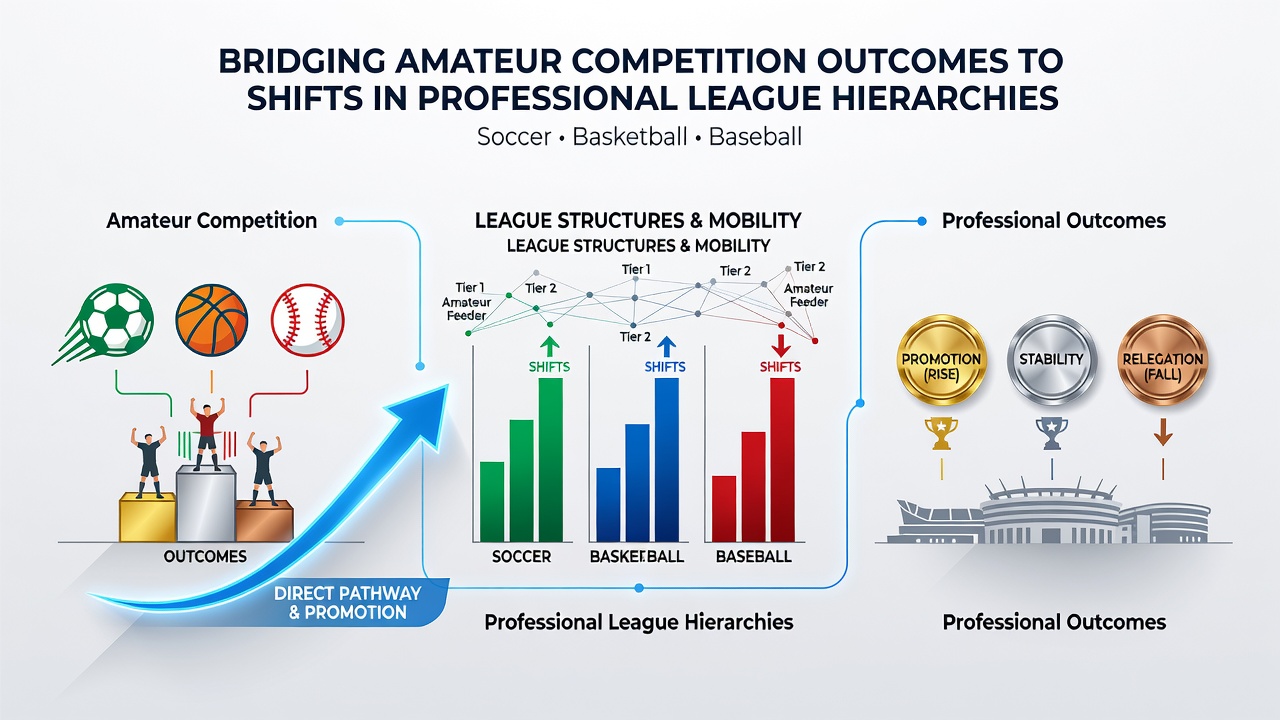
Bridging Amateur Competition Outcomes to Shifts in Professional League Hierarchies for Soccer, Basketball, and Baseball
Amateur competition results often feed directly into the talent pipelines that alter standings in major professional leagues, with data from youth tournaments, college circuits and developmental programs showing measurable links to later team performance shifts. Observers note that success at the amateur level builds player skills and team chemistry that surface years later in league tables, whether through drafts, transfers or academy graduations, while patterns emerge across soccer, basketball and baseball because each sport maintains structured routes from lower tiers to the top divisions.
Soccer Pathways from Youth Events to League Tables
Youth academy outcomes in soccer frequently precede changes in professional club hierarchies because early tournament wins identify players who strengthen squads over multiple seasons. Studies from organizations such as UEFA reveal that academies producing finalists in continental youth competitions, including the UEFA Youth League, contribute higher numbers of first-team contributors to clubs that later climb domestic standings, with data tracking graduates entering leagues like the Premier League or Bundesliga showing improved squad depth and tactical cohesion. In the United States, MLS teams that dominate the Generation Adidas Cup or similar amateur showcases often integrate those prospects into senior rosters, producing measurable gains in points totals within three to five years.
National youth team performances add another layer, as countries whose under-17 and under-20 squads reach semifinals or finals export players who reshape club rankings abroad. FIFA developmental reports indicate that nations advancing in these age-group events supply talent to European clubs experiencing mid-table rises, since those athletes arrive with proven match experience that accelerates integration. Transfers triggered by standout amateur showings further redistribute talent, allowing mid-tier professional sides to overtake traditional leaders when they secure multiple graduates from successful youth programs.
Basketball College and AAU Results Driving NBA Shifts
Amateur basketball circuits, particularly NCAA tournaments and AAU events, supply draft classes that reorder NBA hierarchies because high-performing college programs funnel elite prospects to specific franchises. Data compiled by the NCAA shows that teams reaching the Final Four produce disproportionate numbers of lottery picks, and those selections correlate with subsequent improvements in franchise win percentages over the following seasons. Franchises that accumulate multiple players from the same successful amateur program often develop shared playing styles that lift them in conference standings.
International amateur competitions extend this pattern, with FIBA youth events highlighting prospects who enter the NBA and alter team trajectories. Leagues track how early amateur dominance predicts later statistical contributions, allowing front offices to target players whose backgrounds align with roster needs. When several high school or AAU standouts from one region enter the draft simultaneously, the teams selecting them frequently experience accelerated climbs in overall rankings as those athletes mature together.
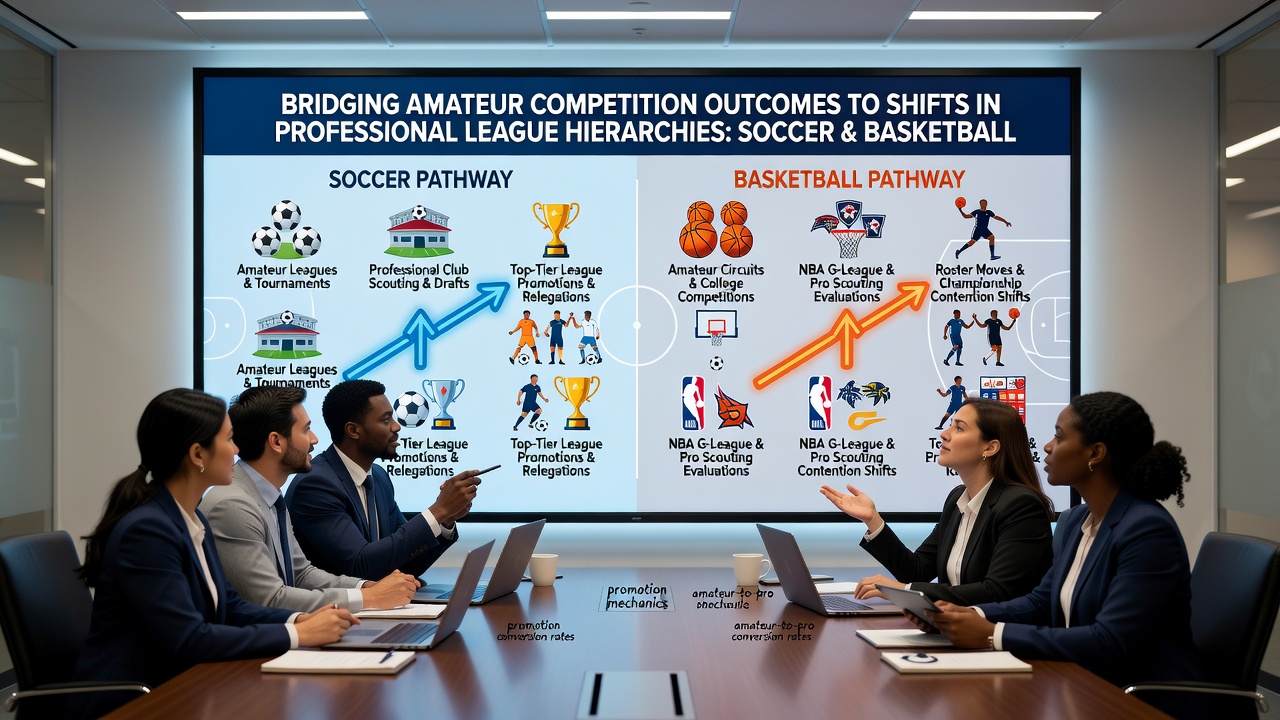
Baseball Amateur Circuits and MLB Hierarchy Adjustments
College baseball outcomes, especially from the College World Series, connect directly to MLB roster construction because top programs supply first-round draft picks who reshape franchise performance. MLB draft analytics indicate that teams selecting multiple players from recent College World Series participants see faster improvements in divisional standings, as those athletes bring advanced development that shortens their path to contributing at the major-league level. High school showcases and summer leagues add parallel routes, with standout amateur performances leading to bonus allocations that strengthen organizations over time.
Minor-league systems then bridge the remaining gap, yet the initial amateur results still influence which MLB clubs gain ground because early identification allows better resource allocation. Research from baseball operations groups demonstrates that franchises consistently drafting from successful college programs accumulate wins at higher rates during the subsequent three-to-six-year window, producing visible shifts in league hierarchies without requiring large payroll increases.
Cross-Sport Patterns and Emerging Data Trends
Comparative analyses across the three sports highlight shared mechanisms where amateur success metrics predict professional movement, including win rates in youth events, depth of graduating classes and geographic clustering of talent. As of July 2026, ongoing tracking of the most recent amateur cycles shows continued alignment between youth tournament placements and professional team improvements in each league, with statistical models incorporating these inputs achieving greater accuracy in forecasting standings changes. External factors such as rule modifications or economic shifts can accelerate or dampen these effects, yet the underlying talent flow from amateur to professional remains consistent.
League offices and academic researchers continue refining these connections through longitudinal studies, allowing teams to adjust scouting and development strategies accordingly. The patterns hold because amateur competitions filter players by skill and competitiveness in environments that mirror later professional demands, creating reliable signals for long-term hierarchy adjustments.
Conclusion
Amateur competition outcomes provide measurable inputs that precede shifts in professional league hierarchies across soccer, basketball and baseball, with documented pathways linking youth and college results to later team performance gains. Data from multiple governing bodies and research institutions confirm these relationships persist over time, offering teams structured ways to anticipate and respond to emerging talent distributions.