Charting Cross-League Talent Pipelines That Reshape Yearly Standings in Basketball, Baseball, and Soccer
Written by Klara Jung · May 21, 2026
Charting Cross-League Talent Pipelines That Reshape Yearly Standings in Basketball, Baseball, and Soccer
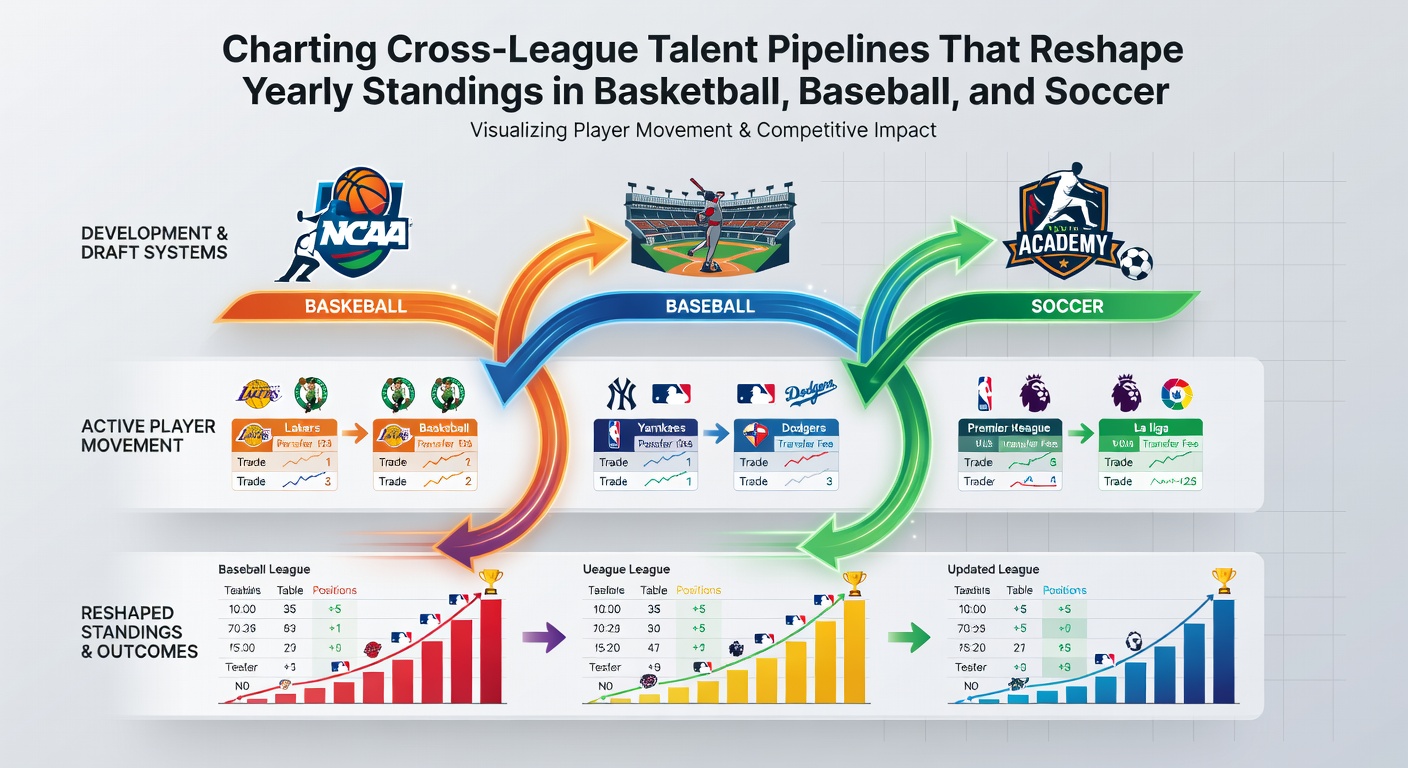
Cross-league talent pipelines have gained attention because player movements between development circuits and top divisions continue to influence final standings across basketball, baseball, and soccer seasons. Researchers tracking roster changes note that organizations which integrate prospects from secondary leagues often post improved win totals compared with teams relying solely on established veterans.
Basketball Pathways From Developmental Leagues to Primary Rosters
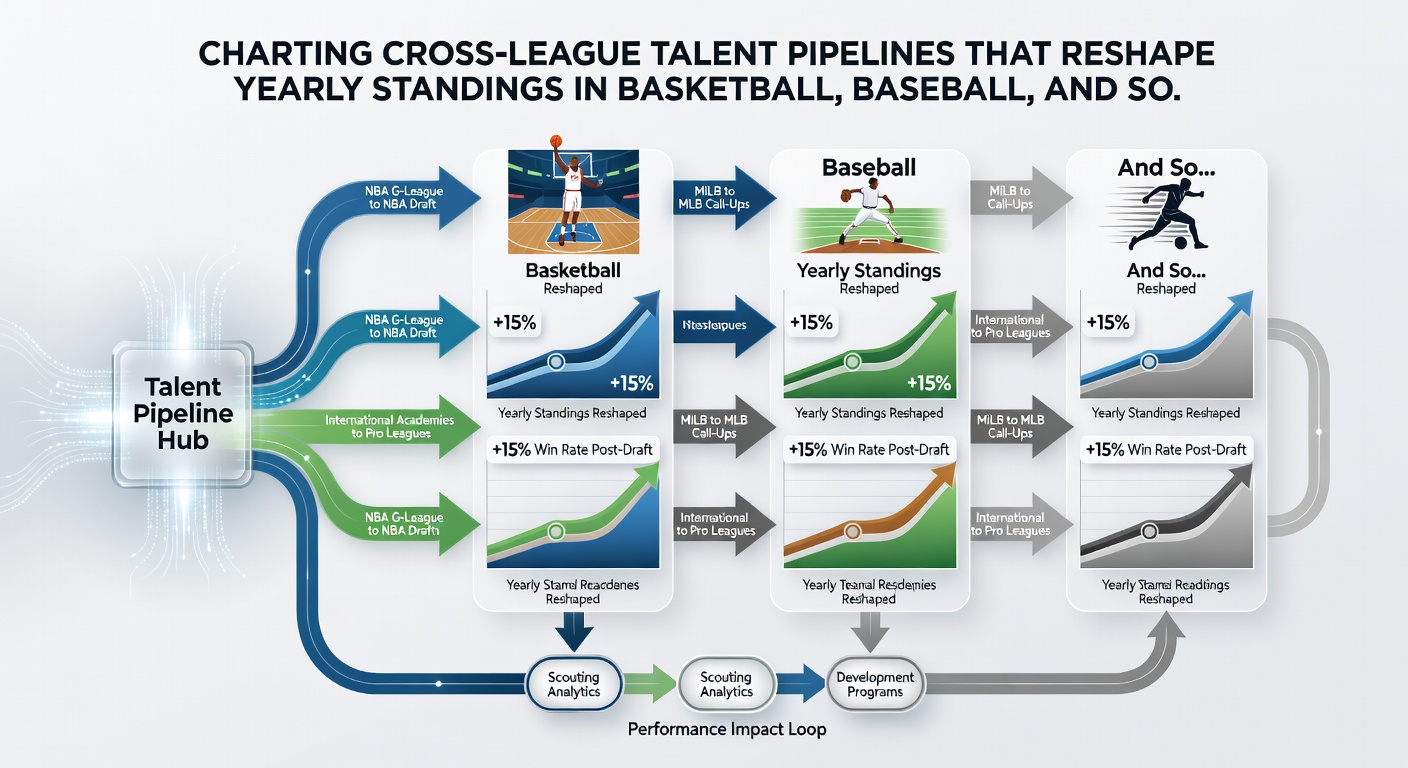
Basketball organizations increasingly rely on talent flows from the G-League and overseas competitions, where players refine skills before stepping into NBA rotations. Data from recent campaigns shows that squads adding multiple contributors from these sources frequently climb several spots in conference rankings by the end of the regular season. Observers note that teams in smaller markets benefit most because they can develop athletes who later anchor lineups during playoff pushes.
International scouting networks add another layer, as players arrive from European and South American leagues carrying experience that translates directly to improved team efficiency ratings. Studies compiled by league analytics departments indicate that such acquisitions correlate with higher offensive output in the second half of seasons when fatigue affects longer-serving players.
Baseball Farm Systems and International Signings Driving MLB Adjustments
Baseball pipelines operate through extensive minor-league structures and targeted international signings, particularly from Latin American academies. Teams that promote high-performing prospects mid-season often record measurable gains in runs scored and defensive metrics, according to figures released by the Society for American Baseball Research. Those improvements appear most clearly in divisional races where a single series sweep can shift playoff positioning.
By May 2026 several clubs had already integrated rookies from Triple-A affiliates into everyday lineups, resulting in adjusted standings that reflected stronger middle-inning production. Analysts following these patterns point out that organizations maintaining deep farm systems sustain competitive windows longer than those dependent on free-agent acquisitions alone.
Soccer Transfer Windows and Cross-Border Player Routes
Soccer leagues experience constant roster turnover through winter and summer windows that pull athletes from lower divisions or foreign domestic circuits. UEFA tracking data reveals that clubs successfully integrating these arrivals frequently accumulate additional points in the latter stages of campaigns. The effect shows up in both title races and relegation battles, where marginal improvements in squad depth determine final placement.
Youth-to-senior pathways within national associations also feed top-flight sides, although many of the most impactful moves now cross multiple borders before a player settles in a primary league. Researchers examining transfer records note that teams balancing domestic academy graduates with experienced imports from secondary European or South American competitions maintain steadier performance curves throughout a 38-match schedule.
Measuring Impact on End-of-Season Hierarchies
Quantitative reviews across the three sports highlight similar patterns: squads that activate talent pipelines early in calendar years post higher average point or win totals by May than clubs that delay roster adjustments. These differences compound because early integration allows coaching staffs to refine tactics around new personnel before critical late-season stretches.
League-wide statistics further demonstrate that organizations drawing from varied pipelines reduce injury-related absences, since depth acquired through development routes provides reliable replacements. The cumulative effect appears in final standings tables where mid-tier teams close gaps on perennial leaders when pipeline investments mature at the right moments.
Conclusion
Cross-league talent pipelines continue to function as structural elements that determine yearly outcomes in basketball, baseball, and soccer. Organizations monitoring these flows gain measurable advantages in roster construction, while those that overlook secondary circuits face steeper climbs in divisional and conference tables. The patterns documented through the 2025-2026 campaigns underscore how sustained investment in development routes shapes competitive balance across all three sports.