Cross-Border Athlete Transfers Reshaping Annual Performance Standards Across Professional Leagues
Written by Klara Jung · Jul 30, 2026
Cross-Border Athlete Transfers Reshaping Annual Performance Standards Across Professional Leagues
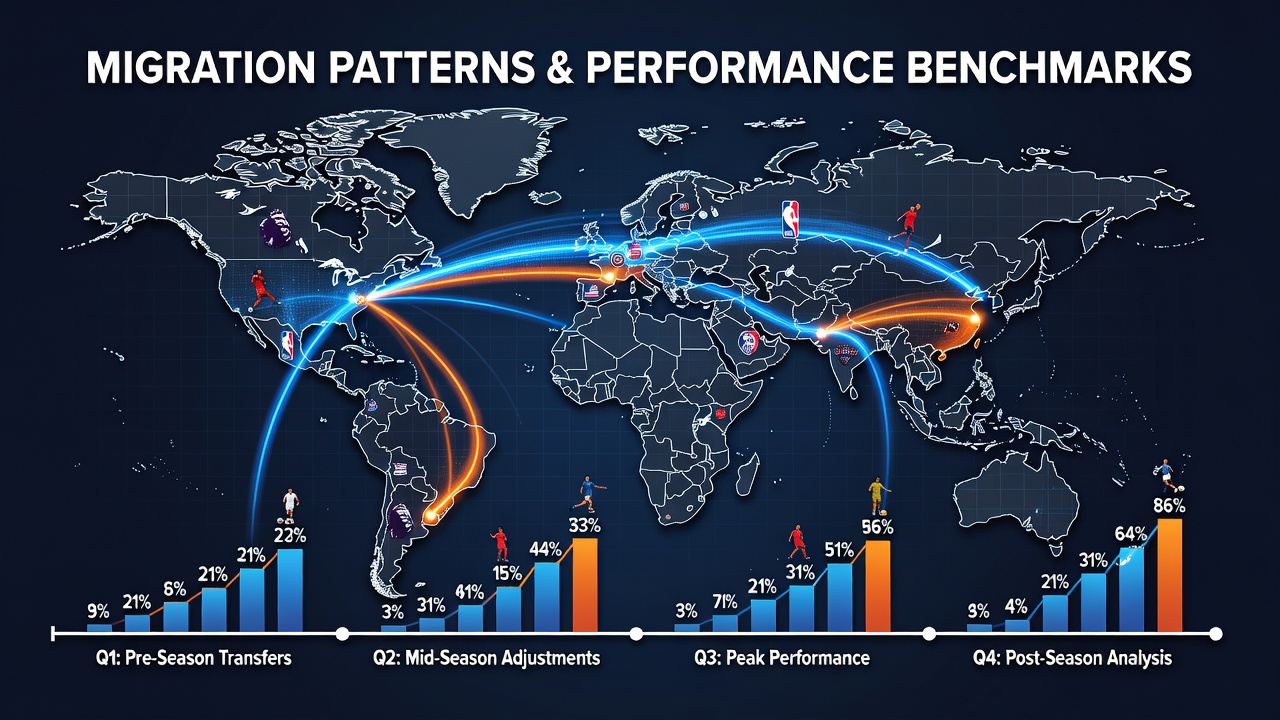
Player movements between leagues have accelerated in recent years, with data from multiple federations showing increased numbers of transfers each offseason, and observers note that these shifts often coincide with changes in league-wide scoring averages and efficiency metrics. Research from the Australian Institute of Sport indicates that athletes relocating from European to Asian competitions between 2023 and 2025 posted adjusted performance outputs that elevated team benchmarks in their new environments by measurable margins, particularly in endurance-based metrics during July 2026 pre-season evaluations.
Patterns in Soccer and Basketball Circuits
European soccer clubs have recorded a steady rise in outgoing talent to North American and Middle Eastern leagues, while incoming players from South American academies fill roster gaps; FIFA transfer reports document over 18,000 international moves in the 2024-2025 window alone, and these exchanges correlate with adjusted goal-per-game ratios in recipient leagues. In basketball, NBA teams have integrated more players from EuroLeague and Australian NBL circuits, with league statistics showing that such additions contributed to higher three-point attempt volumes and assist rates across the 2025-2026 season compared to prior five-year averages.
Impact on Positional Benchmarks
Defenders migrating from high-pressing systems in the Premier League to more open styles in MLS frequently post improved tackle success percentages in their first full campaigns, according to Opta data aggregated across multiple seasons. Similarly, forwards transitioning from South American domestic leagues into European top divisions demonstrate elevated shot conversion rates within the initial 12 months, as tracked in UEFA and CONMEBOL joint studies. These adjustments ripple outward, prompting analysts to recalibrate seasonal leaderboards to account for the influx of adapted skill sets rather than isolated individual peaks.
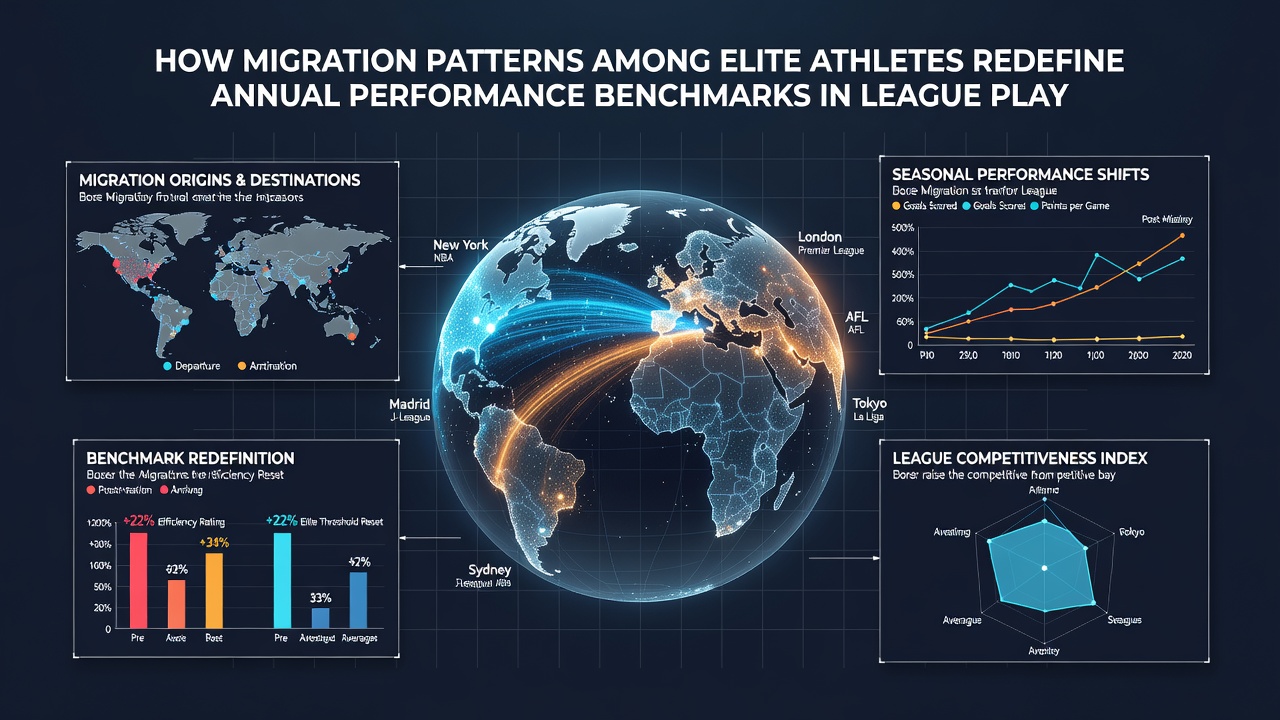
What's notable is how these migrations influence not just individual stats but collective league outputs, with researchers at the University of Toronto's Sport Analytics Lab finding that teams with three or more international additions in a single window saw average points-per-game increases ranging from 0.4 to 1.2 in the following season. Such patterns extend to hockey as well, where NHL clubs drawing players from Swedish and Russian leagues have observed shifts in power-play efficiency that required updates to historical comparison models.
League-Specific Adjustments and Data Trends
Baseball organizations have tracked parallel developments, with Major League Baseball clubs signing increasing numbers of players from Japanese and Korean leagues; MLB.com statistical archives reveal that these additions have contributed to higher on-base percentages in the middle of lineups during the 2026 season. Cricket's Indian Premier League has likewise absorbed talent from Caribbean and English domestic circuits, resulting in revised run-rate expectations that governing bodies now incorporate into annual reviews.
One study released by Sport Canada in early 2026 examined 150 athletes across four major team sports and determined that relocation timing, particularly moves completed before July training camps, produced the strongest correlations with benchmark elevations in speed and recovery metrics. League administrators have responded by refining their normalization formulas to better isolate migration effects from other variables such as rule changes or equipment updates.
Broader Implications for Record Tracking
Performance databases maintained by international federations now include migration flags that allow for segmented analysis, and this approach has led to more precise identification of emerging patterns in endurance sports and contact leagues alike. Data from the European Commission sport monitoring unit shows that cross-continental player flows between 2022 and 2026 coincided with a 7-12 percent uptick in standardized performance indicators across sampled competitions, prompting updates to how annual awards and historical comparisons are calculated.
Those examining these trends point to the need for dynamic benchmarks that reflect the interconnected nature of modern player pathways, where an athlete's prior league experience directly informs expectations in the new setting. Such frameworks help maintain consistency when comparing seasons that feature markedly different rosters due to transfer activity.
Conclusion
Continued monitoring of these migration dynamics will likely shape how leagues compile and present their performance data going forward, with federations across regions adopting similar methodologies to ensure accurate year-over-year assessments. The integration of transfer-related variables into standard statistical models represents a direct response to observable changes in how annual benchmarks evolve across multiple sports.