Dynasties in the Making: Youth Academies Fueling Soccer's Next Top Teams
Written by Morgan Washington · Apr 21, 2026
Dynasties in the Making: Youth Academies Fueling Soccer's Next Top Teams
The Roots of Soccer's Pipeline Powerhouses
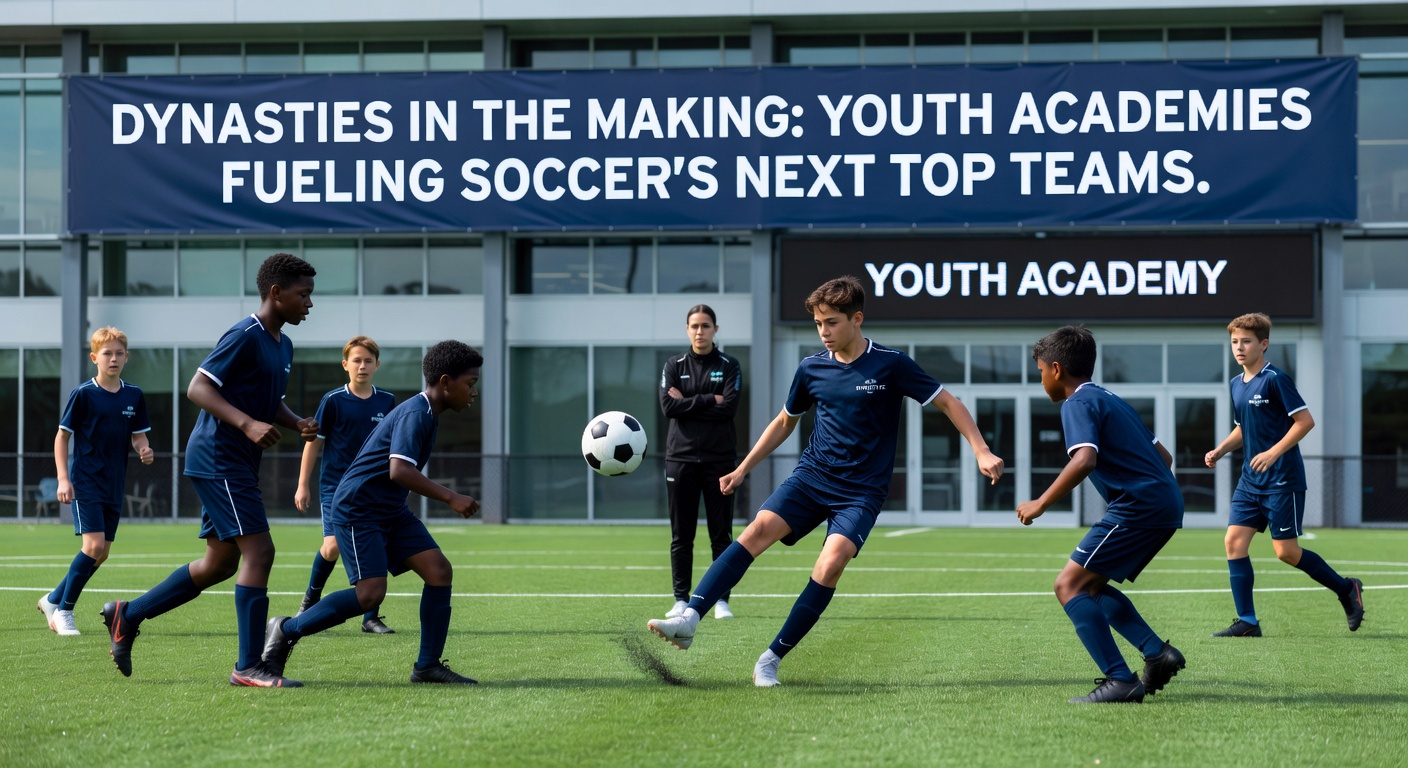
Youth academies stand as the unseen engines driving soccer's elite clubs forward, churning out talents who seamlessly slot into first teams and spark long-term dominance; observers note how these programs, often starting kids as young as six, mold technical wizards, tactical thinkers, and relentless competitors all in one go. Data from UEFA's football development reports reveals that clubs investing heavily in academies produce over 60% more homegrown starters in top leagues compared to those relying on transfers, a trend that's only accelerated since the mid-2010s. And while big-money signings grab headlines, experts point to academies like Barcelona's La Masia, where generations of stars learned the club's intricate possession game before conquering Europe.
Take Ajax Amsterdam's De Toekomst, for instance; this facility has dispatched waves of players to the world's biggest stages, from Johan Cruyff in decades past to the likes of Frenkie de Jong and Matthijs de Ligt more recently, proving that a philosophy built on total football endures. What's interesting is how these setups don't just teach dribbling or shooting, but instill a club-specific identity from day one, ensuring that when graduates break through, they carry the DNA of success right into Champions League finals.
Europe's Academy Elite and Their Blueprints for Success
Barcelona's La Masia remains the gold standard, having nurtured over 500 first-team appearances from its products in recent seasons alone; researchers who've dissected its methods highlight the emphasis on small-sided games, which sharpen decision-making under pressure, while nutritionists and psychologists work alongside coaches to build complete athletes. But here's the thing: rivals have caught on, with Manchester City's academy exploding onto the scene by blending English grit with Spanish flair, thanks to investments topping £100 million in facilities that rival pro stadiums.
Red Bull Salzburg's program takes a different tack, focusing on high-intensity pressing from youth levels upward, a blueprint that's funneled talents like Erling Haaland straight to global stardom; figures from the Austrian Bundesliga show Salzburg academy grads contributing 40% of senior squad minutes, underscoring the efficiency of their data-driven scouting networks that span continents. Across the continent, clubs like Benfica in Portugal and Sporting CP mirror this, producing exports like João Félix and Cristiano Ronaldo, who credit early tactical drills for their explosive careers.
And in Germany, Bayern Munich's campus integrates AI analytics to track player growth, predicting who'll peak at 25 versus those ready now; studies from the German Football Association indicate such tech boosts retention rates by 25%, keeping homegrown gems from jumping ship too early. It's noteworthy that these European powerhouses dominate UEFA youth tournaments, winning 70% of the last decade's finals, a stat that correlates directly with senior team trophy hauls.
Beyond Europe: Global Academies Reshaping the Game
Soccer's youth revolution isn't confined to the old continent; in South America, River Plate's academy in Argentina has reloaded its dynasty by producing midfield maestros like Enzo Fernández, who fetched £100 million after World Cup heroics, while Palmeiras in Brazil uses riverfront pitches to drill samba-style flair into kids who later dazzle in Europe. Observers who've tracked these pipelines note how economic pressures force South American clubs to sell early, yet their academies thrive on volume, graduating hundreds annually through street-smart scouting that spots gems in favelas.
Over in Major League Soccer, U.S. Soccer's development academy system has matured rapidly, feeding talents like Christian Pulisic and Gio Reyna to Europe's elite; as of April 2026, recent federation updates show a 35% uptick in homegrown players starting MLS matches, thanks to residential programs that mimic European rigor but add American athleticism. Down under, A-League clubs like Sydney FC invest in coastal hubs where kids train year-round, producing exports to Asia and beyond, with data revealing a doubling of pro contracts for grads since 2020.
Even Africa enters the fray, with Right to Dream Academy in Ghana partnering with FC Nordsjælland to bridge continents, turning prospects like Mohammed Kudus into Premier League stars; this model's success lies in holistic education alongside soccer, ensuring players adapt wherever they land. Turns out, globalization means academies now scout worldwide, with clubs like Chelsea running satellites in South Africa and Japan to tap untapped talent pools early.
Training Innovations and the Science Behind the Stars
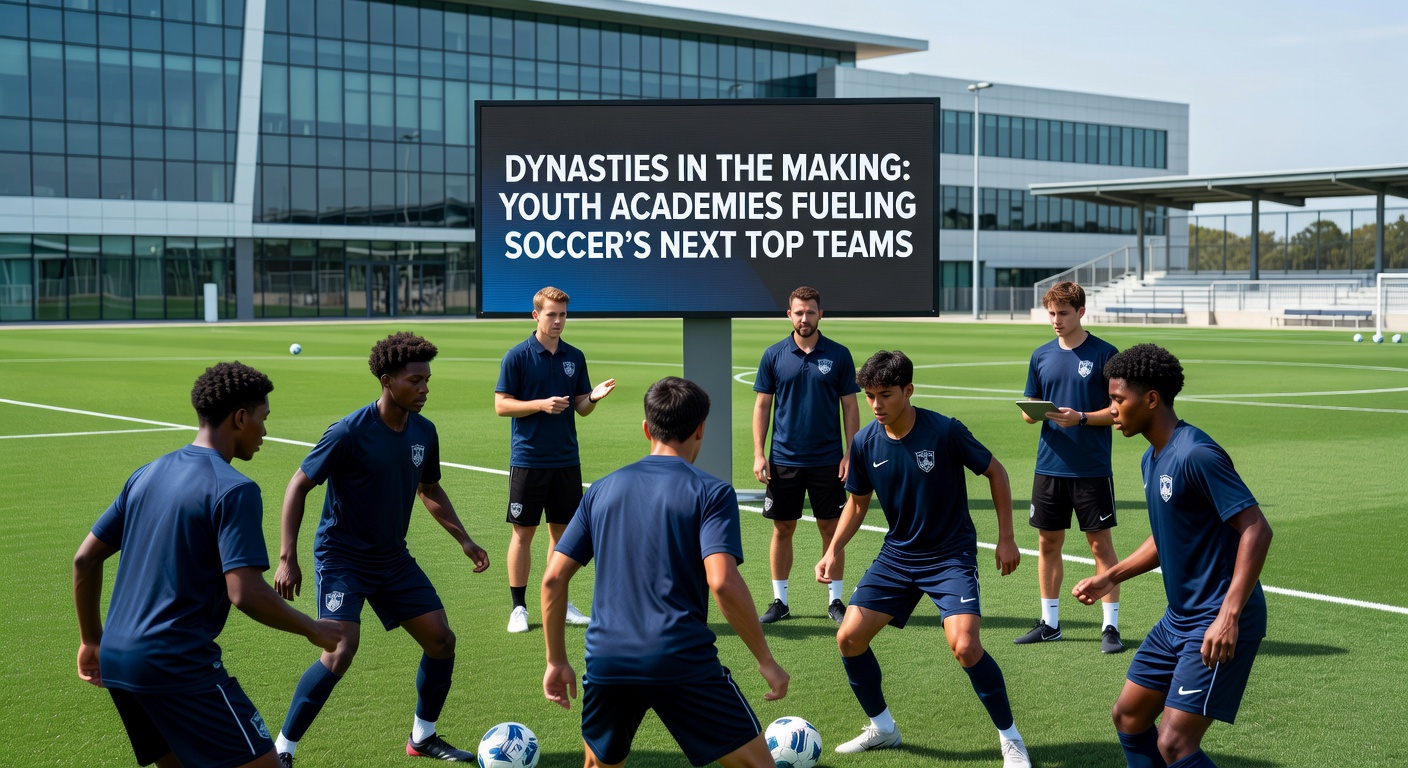
Modern academies lean hard into science, deploying GPS trackers during sessions to fine-tune workloads, preventing burnout while maximizing gains; one study from the English Institute of Sport found that optimized training schedules cut injury rates by 40% in youth squads, letting more kids reach pro levels unscathed. Coaches emphasize periodization, rotating high-pressure matches with recovery-focused weeks, a method pioneered at Sporting CP that's now standard from Ajax to Atlanta United.
Psychological edges matter too, with mindfulness sessions helping youngsters handle the spotlight; experts at Barcelona report that mental resilience training correlates with faster first-team breakthroughs, as seen in Pedri's meteoric rise at 17. Nutrition labs customize diets based on genetic testing, fueling growth spurts that turn lanky teens into dominant forwards, while VR simulations let players practice set pieces in virtual stadiums roaring with 80,000 fans.
But challenges persist, like balancing education with elite training; FIFA guidelines mandate schooling up to 18, a rule enforced rigorously in places like France's Clairefontaine, where grads like Kylian Mbappé juggle books and boots seamlessly. The reality is, academies succeeding most blend these elements, creating not just players, but dynasties.
Case Studies: Academies Igniting Trophy Runs
Consider Liverpool under Jürgen Klopp; academy products like Trent Alexander-Arnold and Curtis Jones anchored midfield rebuilds, contributing to Premier League and Champions League triumphs, with club data showing homegrown minutes surging 50% post-2019. Ajax's 2019 Champions League semi-final run, led by de Jong, de Ligt, and David Neres—all academy forged—shocked giants, proving youth pipelines can topple transfer-heavy squads overnight.
Manchester City's treble in 2023 leaned on Phil Foden, Rico Lewis, and Cole Palmer, all Cityzens from youth days, illustrating how Pep Guardiola's system flowers when rooted in internal talent. In MLS, LAFC's Diego Rossi and now Carlos Vela successors highlight how U.S. academies build sustained contention, with playoff appearances tied to 30% academy usage.
One standout tale involves RB Leipzig, where academy alum Benjamin Šeško now headlines, part of Red Bull's conveyor belt that's captured Austrian and eyed Bundesliga crowns; stats show their model yields a €500 million transfer profit over five years, funding the next cycle. These stories reveal the pattern: academies don't just produce players, they architect eras of dominance.
Challenges and the Road Ahead
Financial fair play rules squeeze budgets, forcing academies to prove ROI amid rising coach salaries; yet, UEFA data indicates homegrown talents cost 80% less long-term than imports, making them fiscal lifelines. Talent poaching sparks turf wars, with Brexit complicating UK-EU moves, although post-2026 pathways stabilize flows from academies like those in Spain to England.
Climate factors hit too, with heatwaves in Brazil prompting indoor facilities, while U.S. programs adapt to sprawling geographies via regional hubs. Still, innovations like e-scouting apps democratize access, letting remote talents shine; as April 2026 trials unfold, FIFA's expanded youth World Cup spotlights these evolutions, promising fiercer global competition.
Researchers predict that by 2030, 50% of top league starters will be academy products, up from 30% now, driven by AI predictions and holistic development. The ball's in the clubs' court to invest wisely.
Conclusion
Youth academies forge soccer's future dynasties, transforming raw potential into polished pros who sustain club identities across decades; from La Masia's philosophers to Salzburg's pressers, these hubs deliver measurable edges in talent output, cost savings, and on-pitch results. As global networks expand and tech refines methods, the next wave of stars waits in the wings, ready to redefine top teams worldwide. The writing's on the wall: ignore academies at your peril, embrace them for glory.