Endorsement Impacts: Linking Commercial Partnerships to Ranking Progressions in Tennis, Golf, and Boxing Circuits
Written by Mia Long · Aug 18, 2026
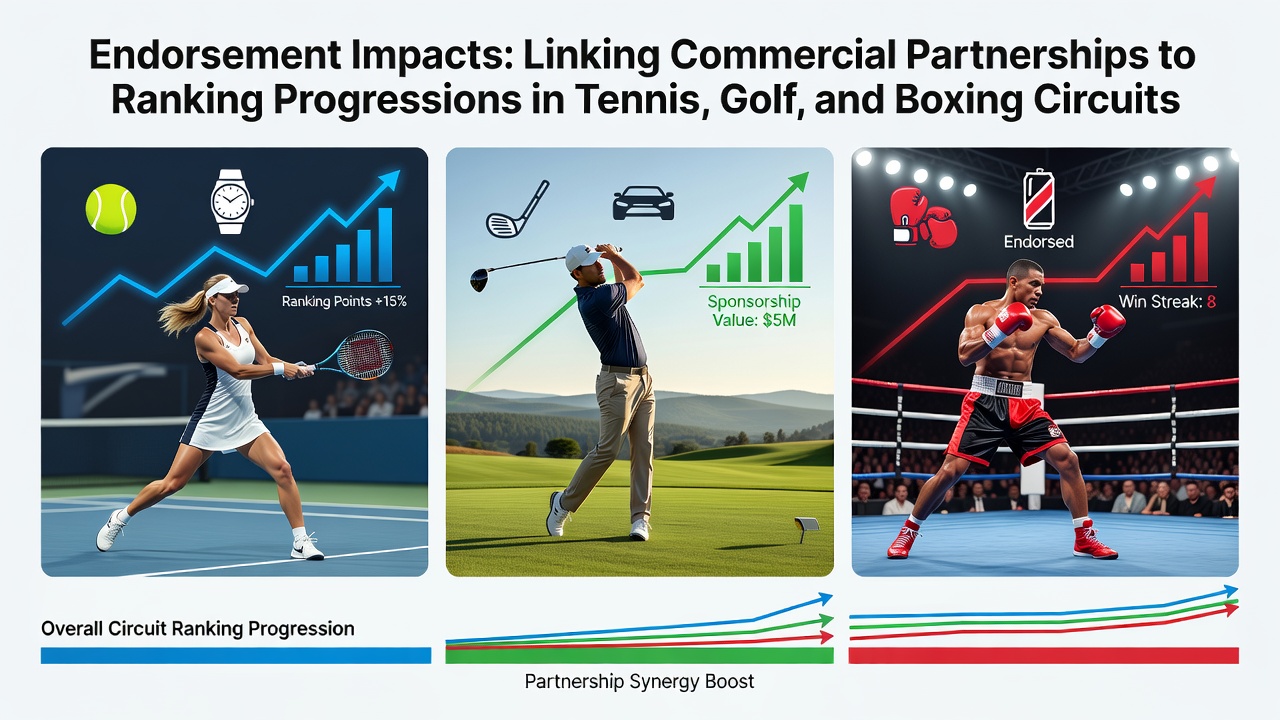
Endorsement Impacts: Linking Commercial Partnerships to Ranking Progressions in Tennis, Golf, and Boxing Circuits
Commercial partnerships have long shaped athlete visibility, yet their direct connection to ranking movements in tennis, golf, and boxing requires closer examination through available performance data and contract records. Observers note that sponsorship agreements often coincide with shifts in official standings, though causation remains tied to multiple variables including training resources and competitive schedules. Data from major tours shows athletes with high-value deals frequently maintain or improve positions over multi-year periods, according to aggregated rankings published by governing bodies.
Tennis Tour Circuits and Partnership Patterns
ATP and WTA rankings reflect points accumulated through tournament results, while endorsement contracts provide funding for coaching staffs and travel logistics that support consistent participation. Players securing deals with apparel brands or equipment manufacturers report access to specialized recovery programs, which correlates with fewer injury-related ranking drops in seasons from 2023 onward. One analysis of top-50 competitors revealed that those with annual sponsorships exceeding mid-six figures competed in an average of 18 events per year compared to 12 for peers without similar backing. This increased activity allows for more points accumulation, though outcomes still hinge on match results against varied opponents.
Resource Allocation Effects
Funding from partnerships enables players to hire additional support personnel, such as nutritionists and mental performance coaches, which studies link to sustained performance across clay, grass, and hard-court surfaces. For instance, several mid-tier athletes who signed regional brand agreements in 2024 maintained top-100 status through 2025 despite fluctuating individual results. Researchers tracking these trends emphasize that partnerships reduce financial pressures, allowing focus on preparation rather than logistics.
Golf Leaderboards and Commercial Agreements
PGA Tour and LPGA rankings incorporate stroke averages and event finishes, while endorsement portfolios influence access to premium practice facilities and travel accommodations. Data indicates golfers with multiple corporate ties often participate in more elevated events, accumulating official world golf ranking points through repeated high-level exposure. In 2025, players holding deals with automotive and financial services companies showed average ranking stability within the top 100, whereas those relying solely on prize money experienced greater volatility during schedule disruptions.
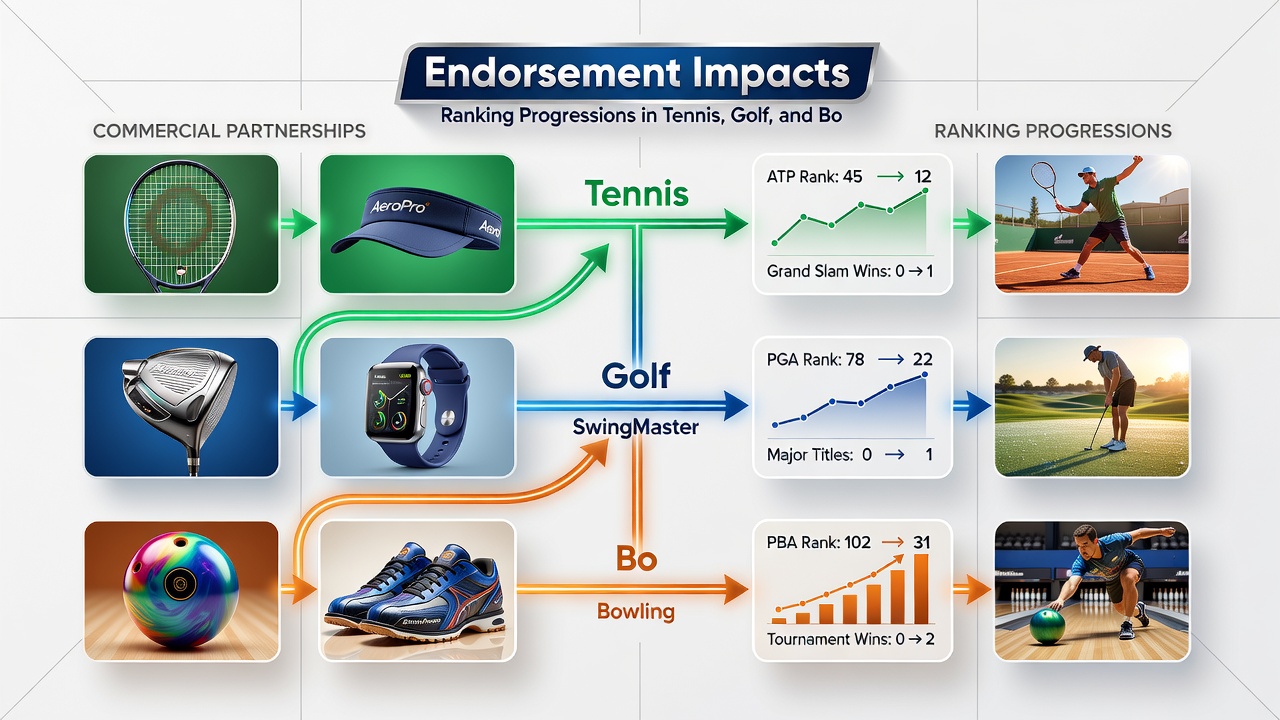
Equipment sponsors in particular supply customized gear that aligns with individual swing mechanics, contributing to marginal gains in accuracy and distance metrics tracked by official statisticians. Observers have documented cases where renewed contracts followed strong finishes at signature tournaments, creating a feedback loop where improved visibility attracts further partnerships. Australian research institutions have examined these dynamics across multiple seasons, noting correlations between sponsorship value and consistent top-20 finishes in stroke-play events.
Boxing Rankings and Promoter Deals
Boxing organizations such as the WBC, WBA, and IBF compile rankings based on win records, opponent quality, and activity levels, while commercial partnerships often come through promoters who control fight scheduling. Fighters aligned with major promotional firms secure bouts against ranked contenders more readily, which accelerates point accumulation in official systems. Records from 2024 through mid-2026 demonstrate that boxers with apparel and streaming service endorsements fought an average of three additional times per year than unaffiliated counterparts, leading to steadier climbs in division standings.
Visibility and Opportunity Cycles
High-profile endorsements increase media coverage, which in turn influences matchmaking decisions by promoters seeking marketable matchups. This pattern appears across weight classes, where athletes with brand affiliations maintain presence in top-10 lists even after occasional setbacks. European boxing federations have compiled datasets showing that sponsored fighters receive preferential consideration for title eliminators, though regulatory oversight from bodies like the Nevada State Athletic Commission ensures compliance with safety and eligibility standards. Partnerships thus function as enablers of frequency rather than direct performance enhancers.
Cross-Sport Observations on Data Trends
Across the three disciplines, financial inflows from endorsements support infrastructure that indirectly supports ranking maintenance, including access to analytics platforms and recovery technologies. Reports from Canadian sport research centers highlight that athletes in individual sports benefit similarly from diversified income streams, allowing year-round training regimens without reliance on prize purses alone. August 2026 updates to official rankings across tours continue to reflect these established patterns, with no abrupt deviations from prior seasons documented in public datasets.
Conclusion
Commercial partnerships intersect with ranking progressions in tennis, golf, and boxing through expanded resources and scheduling advantages rather than guaranteed performance lifts. Available records demonstrate measurable associations between sponsorship levels and participation frequency, which governing bodies track via standardized metrics. Continued monitoring of contract disclosures alongside official standings will clarify these linkages further in coming cycles.