How Biometric Wearables from Training Sessions Quietly Shift Athlete Placements Across Professional Leagues in Football, Basketball, Baseball and Beyond
Written by Erik Lange · Jul 9, 2026
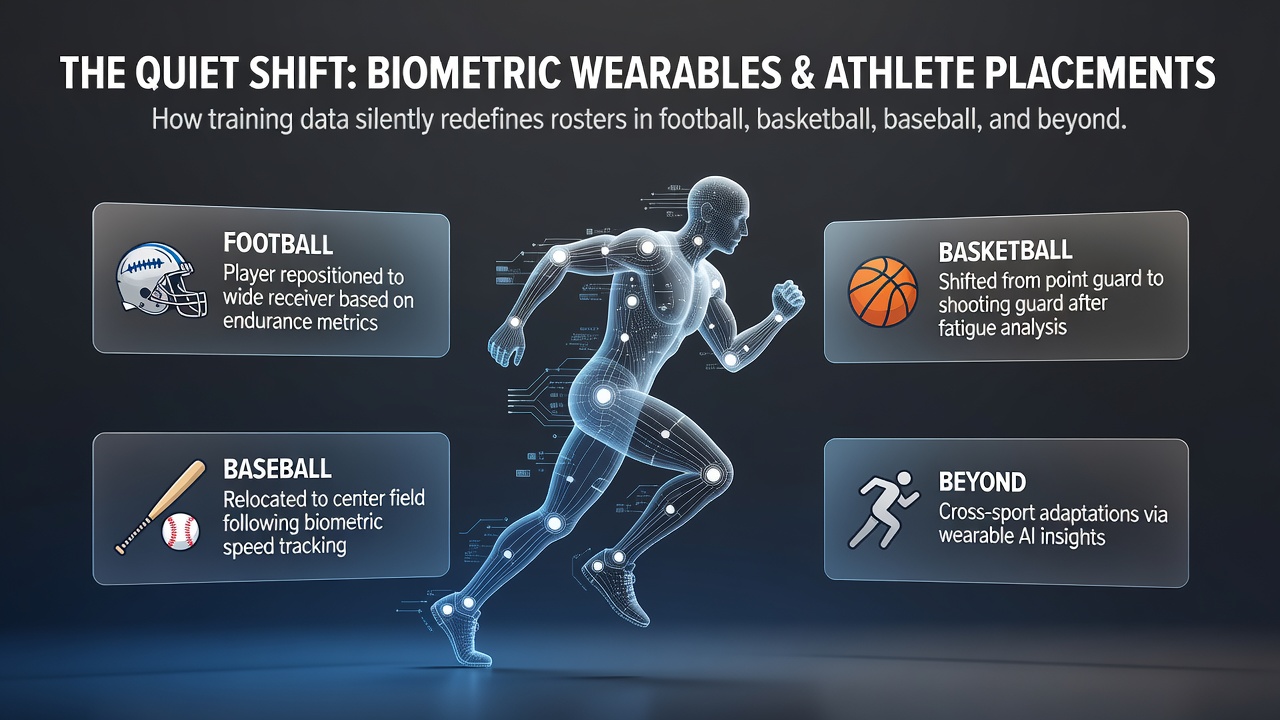
How Biometric Wearables from Training Sessions Quietly Shift Athlete Placements Across Professional Leagues in Football, Basketball, Baseball and Beyond
Biometric wearables have become standard tools in professional training environments across multiple sports, and data from these devices increasingly informs decisions about roster composition and playing time. In July 2026, teams in the NFL, NBA, MLB, and European soccer leagues continue to integrate heart rate variability readings, GPS load metrics, and recovery scores into internal evaluations that determine which athletes receive starting roles or contract extensions.
Data Collection and League Applications
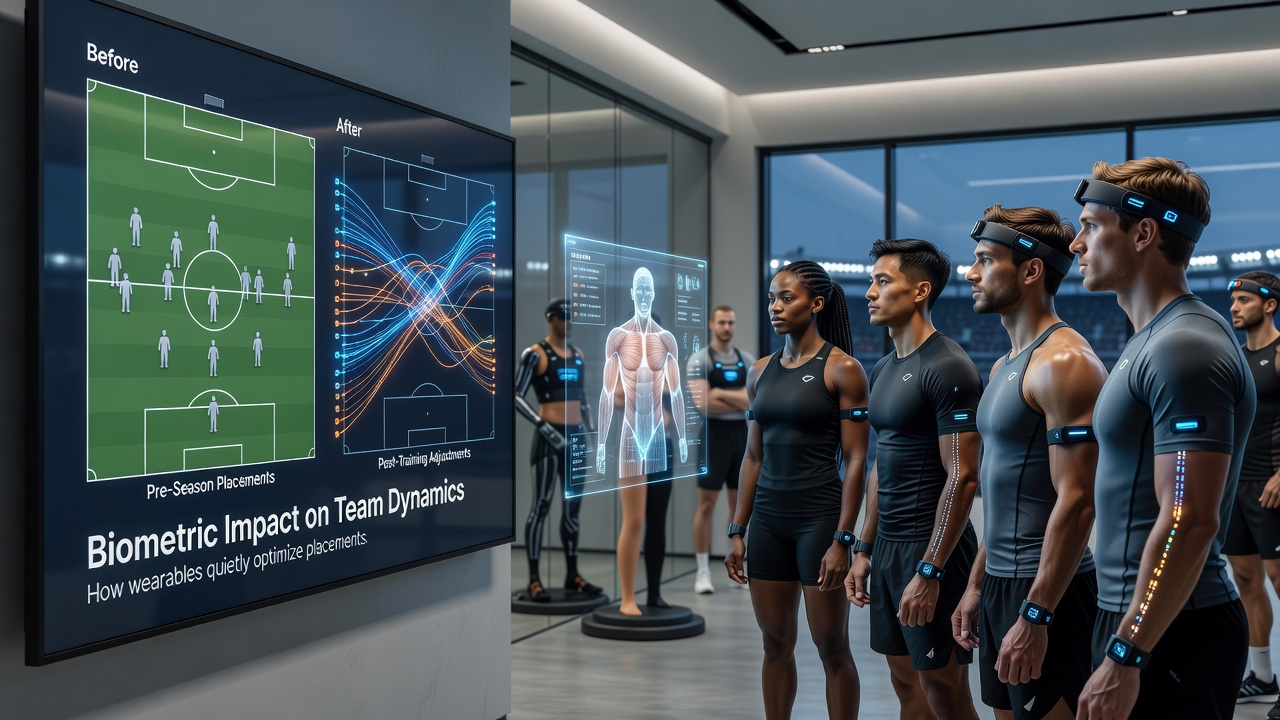
Training sessions generate continuous streams of information through devices that track sleep patterns, muscle oxygen levels, and movement intensity. Researchers at institutions such as the Australian Institute of Sport have documented how these metrics correlate with injury risk and performance consistency over full seasons. Teams use the information to adjust individual workloads, which in turn affects who appears in official lineups when competitions resume.
Football organizations apply the same approach at both college and professional levels. GPS vests record total distance covered and acceleration counts during drills, and staff compare those figures against established thresholds for each position. Athletes whose data shows elevated fatigue markers often see reduced repetitions in subsequent practices, altering the competitive hierarchy within training camps.
Impact on Basketball and Baseball Rosters
Basketball franchises track similar variables through armbands and smart rings that monitor overnight recovery. When players exhibit prolonged elevations in resting heart rate, coaches limit their minutes in preseason games, which influences who secures rotation spots once the regular schedule begins. Several NBA organizations have adjusted draft strategies after reviewing wearable data from combine participants, favoring prospects whose recovery profiles indicate better durability under high-minute demands.
Baseball operations departments incorporate biometric feedback into pitcher workload management. Pitching staffs now wear sensors that measure elbow torque and arm speed during bullpen sessions, and these readings help determine which relievers receive high-leverage appearances. Organizations that adopted these systems earlier report shifts in bullpen hierarchies based on recovery timelines rather than traditional innings-pitched totals alone.
Broader Effects Across Additional Sports
Sports beyond the major North American leagues have adopted comparable methods. European soccer clubs monitor player load through chest straps during tactical drills, and those with consistently high recovery scores receive priority in selection meetings. Hockey teams in the NHL have begun using similar technology to evaluate defensive pairings, where skating volume data influences ice time distribution across back-to-back game stretches.
Academic studies from European universities have examined how aggregated biometric datasets predict positional stability over multiple seasons. One analysis of soccer academies found that athletes whose training metrics remained within optimal zones advanced to first-team rosters at higher rates than peers with comparable skill evaluations but poorer recovery profiles. These patterns appear in draft rooms and trade discussions, where front offices weigh internal wearable reports alongside public performance statistics.
Quiet Integration into Decision Processes
The influence remains largely internal because leagues treat detailed biometric information as proprietary. Public announcements focus on roster moves without referencing specific sensor outputs, yet those moves often trace back to thresholds established from training data. Analysts note that mid-season call-ups and demotions increasingly align with periods when wearable readings indicate readiness or accumulated fatigue.
Cross-league talent pipelines also reflect these changes. Scouts now request access to normalized biometric summaries when evaluating players from different conferences or continents, allowing organizations to compare recovery patterns across varying training environments. This standardization has contributed to more data-driven contract negotiations, where agents present longitudinal wearable trends to support requests for guaranteed playing time.
Conclusion
Biometric wearables continue to reshape how professional teams assess and position athletes by supplying objective measures of readiness that supplement traditional scouting and statistical evaluations. As device accuracy improves and more organizations standardize collection protocols, the quiet redistribution of playing opportunities across football, basketball, baseball, and other leagues is expected to accelerate through 2026 and beyond.