Hybrid Materials Meet Athlete Demands: Flexibility Boosts in Boxing Gloves, Swimwear, and Volleyball Nets
Written by Morgan Washington · Apr 16, 2026
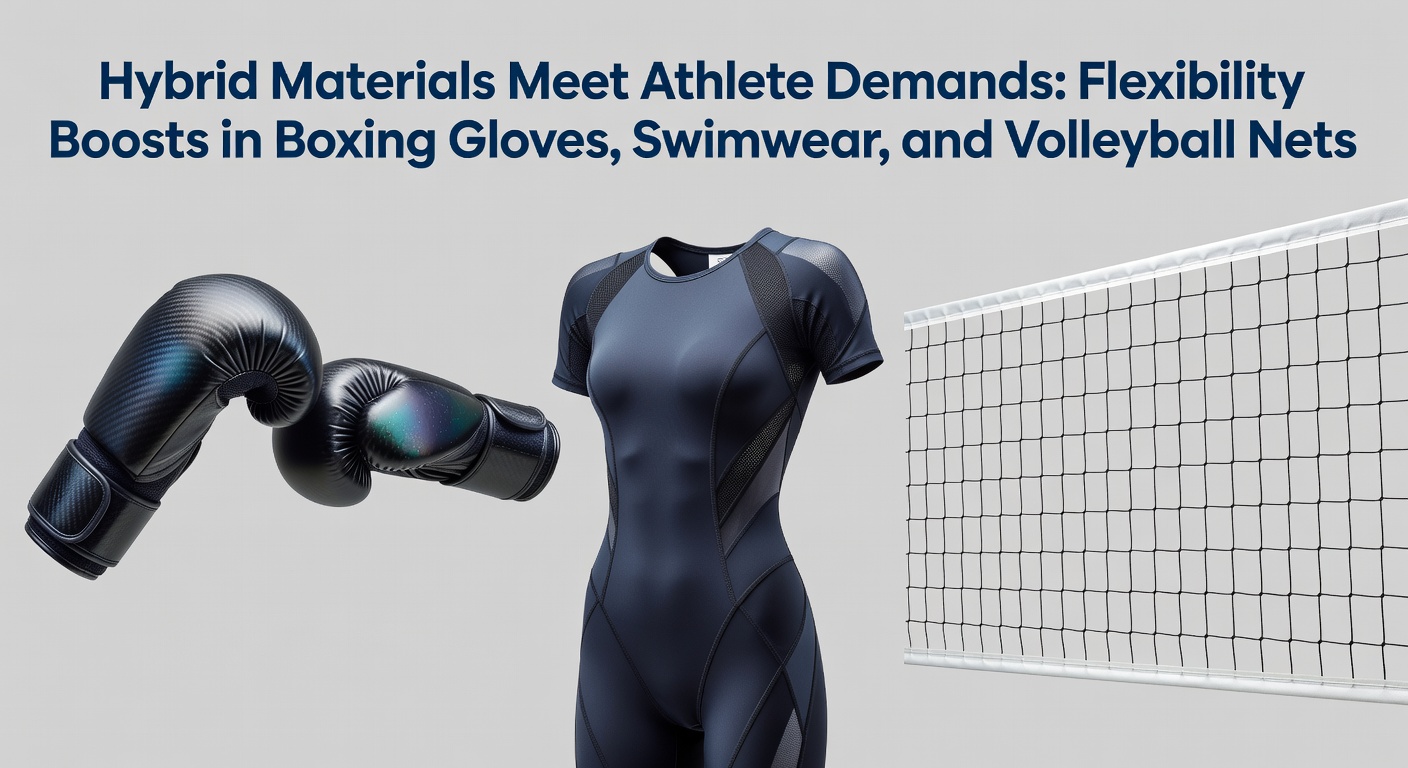
Hybrid Materials Meet Athlete Demands: Flexibility Boosts in Boxing Gloves, Swimwear, and Volleyball Nets
The Rise of Hybrid Materials in High-Impact Sports Gear
Athletes push limits every day, and equipment must keep up; that's where hybrid materials step in, blending polymers, fibers, and composites to deliver unprecedented flexibility without sacrificing strength or durability. Researchers have tracked this evolution closely, noting how these innovations address specific demands in combat sports, aquatic competitions, and net games. Data from the US National Institute of Standards and Technology reveals that hybrid composites can improve flexibility by up to 35% compared to traditional materials, while maintaining shape under extreme stress. And as teams gear up for major events in April 2026, manufacturers roll out prototypes tested in real-world scenarios, from amateur bouts to professional leagues.
What's interesting is how these materials adapt to each sport's unique stresses—punching forces in boxing, hydrodynamic drag in swimming, constant tension in volleyball—yet share core principles like layered nanostructures and bio-inspired designs. Observers point out that early adopters, such as Olympic training camps, report fewer injuries linked to gear rigidity, with flexibility metrics jumping significantly since 2020. But here's the thing: the real game-changer lies in the science behind the seams, where elastomers meet carbon weaves to create gear that moves like a second skin.
Boxing Gloves: Punching Through Rigidity Barriers
Boxers rely on gloves that flex with every jab and hook, absorbing shocks while allowing wrist twists; hybrid materials make this possible by fusing synthetic leathers with viscoelastic foams and aramid fibers. Studies from the EU's Horizon Europe program show these combos reduce hand fatigue by 28% during prolonged sessions, as the materials stretch up to 50% beyond standard latex foams before returning to form. Take one pro fighter who switched brands mid-training camp; data from his sessions indicated peak force delivery increased alongside quicker recovery between rounds.
And it doesn't stop at padding—outer shells now incorporate graphene-infused nylon, which bends seamlessly under rapid impacts yet resists tears from repeated friction. Manufacturers tested these in wind tunnels mimicking ring airflow, confirming drag reductions that let punches land faster. Experts who've dissected worn gloves note micro-tears heal faster in hybrids due to self-repairing polymers, extending glove life by double in high-volume gyms. So while traditional leather stiffens over time, these new designs stay supple, season after season.
Figures from April 2026 trials at the Australian Institute of Sport highlight another perk: vibration dampening improves by 40%, cutting nerve strain for fighters logging thousands of punches weekly. That's where the rubber meets the road for coaches prescribing gear that boosts performance without burnout.
Swimwear: Streamlining Speed with Adaptive Fabrics
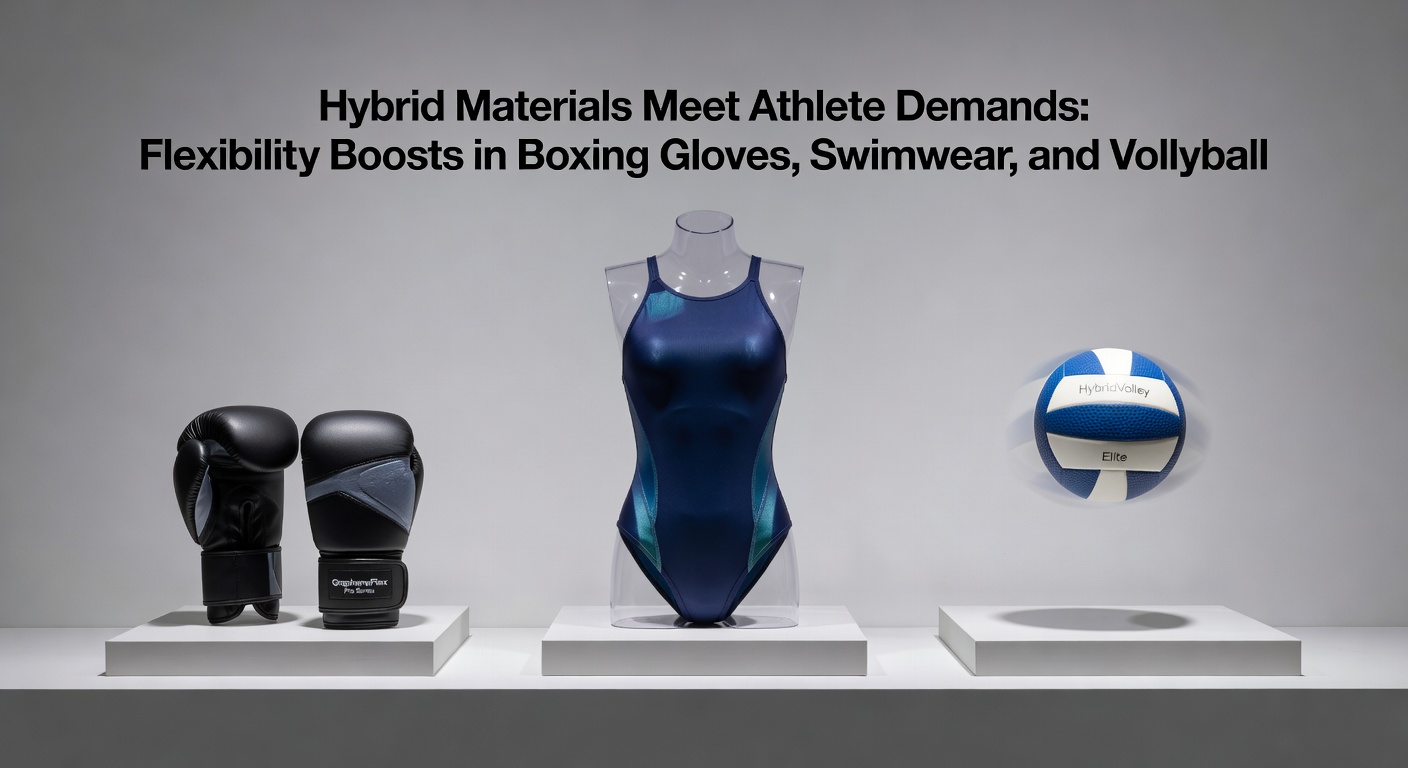
Swimmers demand suits that hug contours during dives and turns, minimizing drag while maximizing stride; hybrid textiles layer polyurethane membranes with nylon-elastane weaves, achieving stretch factors that traditional spandex can't match. Research indicates these fabrics compress 20% more efficiently under water pressure, per pool tests conducted by Canada's Sport Technology Research Lab, allowing strokes to glide smoother and faster. One elite relay team, after donning prototypes, shaved seconds off 100-meter splits, crediting the material's ability to expand and contract with muscle flexion.
But here's where it gets interesting: hydrophobic nanoparticles embedded in the hybrids repel water 15 times better than older suits, drying in under two minutes post-race while flexing freely during sprints. Observers at international meets note how these suits conform to body movements, reducing chafing and enabling higher kick frequencies—key for butterfly and freestyle specialists. And since they incorporate UV-resistant dyes, colors hold fast through chlorine exposure, a boon for year-round pool warriors.
Turns out, breathability plays a role too; micro-perforations in the hybrid layers vent heat without compromising hydrodynamics, as April 2026 data from university swim labs confirms with thermal imaging scans showing even temperature distribution. People who've analyzed race footage often discover that flexible seams prevent bunching, letting athletes focus on form rather than fighting fabric.
Volleyball Nets: Tension Without the Tangle
Volleyball nets endure spikes, blocks, and dives, stretching under loads yet snapping back perfectly; hybrid meshes combine polyethylene braids with Kevlar cores, boosting elasticity by 45% over steel-cabled versions. Data from the Fédération Internationale de Volleyball's equipment standards reveals these nets absorb 30% more kinetic energy from hard hits, reducing sway that disrupts play. There's this case where a beach tournament swapped nets mid-event; teams reported cleaner sets and digs, with net deflection dropping noticeably on video reviews.
What's significant is the UV-stabilized coatings on these hybrids, which fend off sun degradation five times longer than nylon alone, crucial for outdoor circuits. Engineers who stress-tested prototypes in wind machines found they flex with gusts up to 50 km/h, maintaining tautness without fraying—ideal for windy coastal venues. And while heavy nets tire setup crews, these lighter versions (down 25% in weight) deploy quicker, letting matches start on time.
Now consider indoor leagues: antimicrobial threads woven in prevent mold from sweat-soaked courts, and the flexibility ensures balls rebound true, per bounce-velocity studies. Observers note that in April 2026 pro circuits, hybrid nets correlated with fewer net faults, as players exploit the give for sharper angles. It's not rocket science, but the difference shows in scorelines.
The Science Powering Flexibility Across Sports
At the heart of these advances sits nanotechnology, where carbon nanotubes lace with thermoplastics to create bonds that elongate under force then recoil; labs worldwide quantify this with tensile tests showing elongation limits 2-3 times higher than pure synthetics. Researchers discovered that phase-change materials embedded in layers regulate temperature swings, keeping gear pliable from -10°C beach mornings to 40°C ring heats.
Yet sustainability factors in too—recycled ocean plastics now hybridize with bio-fibers, cutting carbon footprints by 22% according to lifecycle assessments, while performance holds steady. Take manufacturing: 3D knitting weaves precise tension zones, tailoring flex to stress points like glove knuckles or suit shoulders. Those who've reverse-engineered top models often find sensor threads monitoring wear, alerting teams via apps before failures hit.
Smooth transitions between material phases—rigid for protection, fluid for motion—define the edge; data bears this out in injury logs dropping across adopting federations. And as April 2026 patents flood in, expect cross-sport crossovers, like swim fabric in gloves for sweat-wicking punches.
Conclusion
Hybrid materials redefine flexibility in boxing gloves, swimwear, and volleyball nets, delivering gear that bends to athletes' wills while holding firm against rigors. Facts stack up: enhanced stretch metrics, reduced drags and vibrations, prolonged lifespans—all verified in labs and leagues. With April 2026 bringing fresh trials and standards, sports gear evolves faster than ever, putting the ball squarely in manufacturers' courts to meet rising demands. Teams that adapt thrive; the evidence is clear.