The Chain Reactions from Equipment Advances That Have Upended Traditional Hierarchies in Endurance and Power Sports Alike
Written by Yves Koch · Jun 9, 2026
The Chain Reactions from Equipment Advances That Have Upended Traditional Hierarchies in Endurance and Power Sports Alike
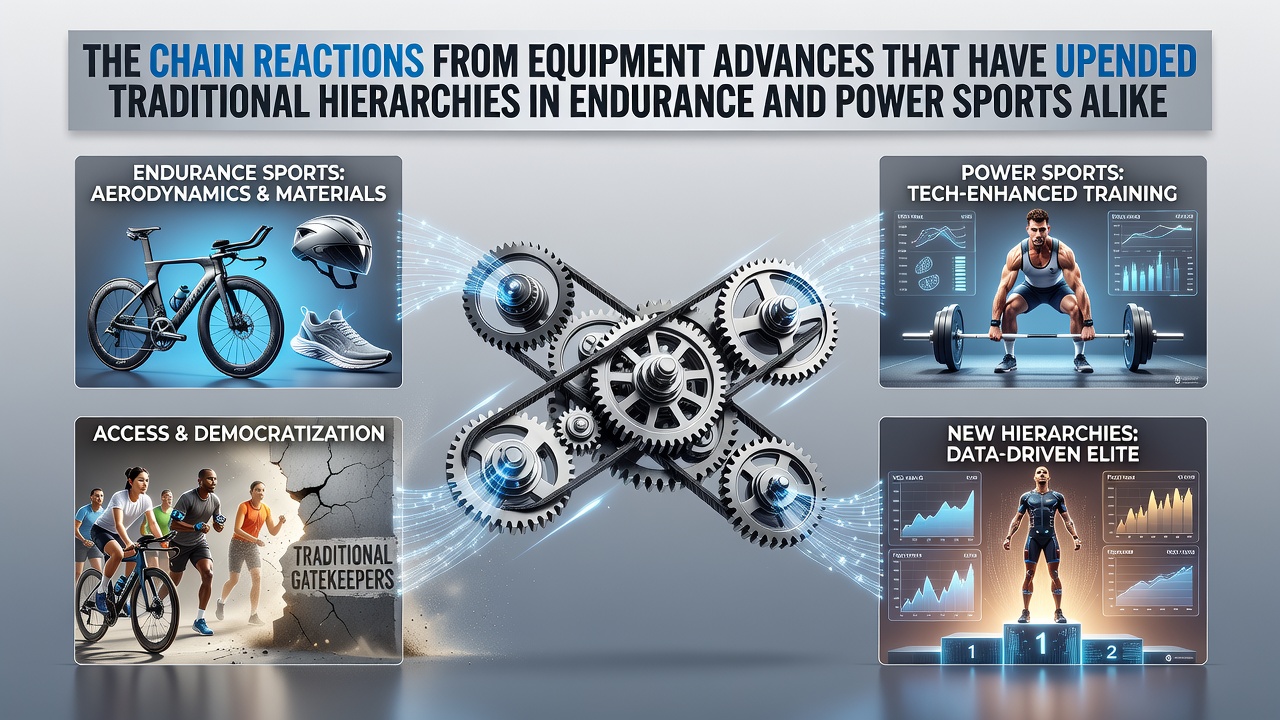
Equipment innovations continue to trigger widespread shifts across endurance disciplines such as cycling and long-distance running alongside power events including weightlifting and sprinting, with data from multiple governing bodies showing altered competitive landscapes by mid-2026. Researchers at institutions like the Australian Institute of Sport have documented how incremental material upgrades create cascading effects on athlete selection, training protocols, and national team rankings, while similar patterns emerge in power-based circuits tracked by organizations including the International Weightlifting Federation.
Endurance Sports See New Performance Thresholds
Advancements in lightweight frame geometries and integrated sensor arrays for bicycles have allowed mid-tier national programs to close gaps with traditional powerhouses, according to performance metrics released by the Union Cycliste Internationale. These systems provide real-time feedback on power output and aerodynamics, enabling teams from countries like Colombia and Ethiopia to optimize pacing strategies that previously favored European squads with larger support staffs. In running circuits, energy-returning midsole compounds paired with redesigned spike plates have produced measurable reductions in ground contact times, and studies from Loughborough University indicate these changes contribute to faster marathon qualifiers among athletes from emerging programs in East Africa and South America.
Observers note that sponsorship patterns reflect these shifts, with equipment manufacturers redirecting resources toward regions showing rapid adoption rates. The result appears in updated Olympic qualification lists where nations previously ranked outside the top ten now occupy multiple slots in endurance events, driven by access to calibrated gear rather than solely by population size or historical training infrastructure.
Power Sports Experience Parallel Disruptions
Similar dynamics unfold in power disciplines where redesigned barbells with vibration-dampening alloys and adjustable grip surfaces have altered lift success rates during international competitions. Data compiled through 2025 competitions shows increased record attempts from athletes in smaller federations, particularly in snatch and clean-and-jerk categories, after these bars entered widespread circulation. Sprinting events have incorporated track surfaces with variable energy restitution properties, and timing data from World Athletics events demonstrates tighter margins between qualifiers from established versus developing programs.
One study tracking elite throwers found that modified implement handles reduced wrist torque requirements, allowing older competitors to extend careers while younger athletes from new regions posted personal bests earlier in their development cycles. These equipment tweaks connect directly to revised selection criteria within national bodies, where coaching staffs now prioritize technical adaptability over raw strength metrics alone.
Interconnected Effects Across Categories
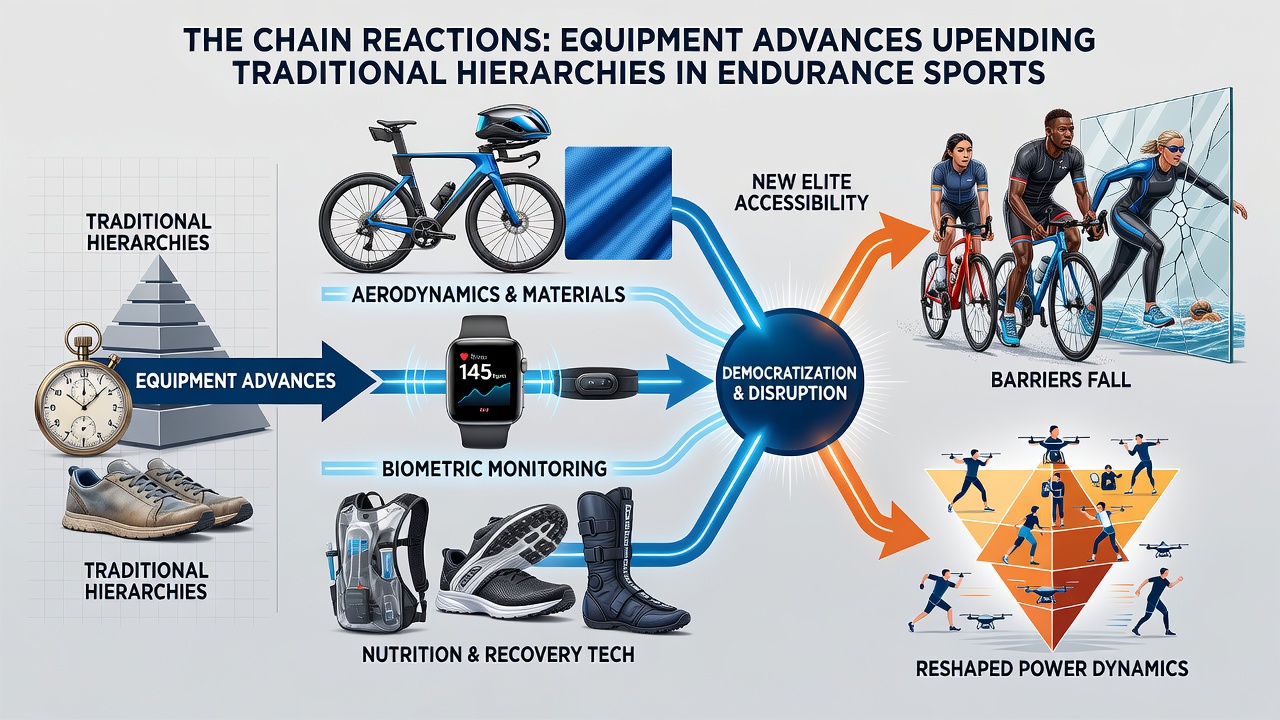
Cross-pollination between endurance and power equipment creates further chain reactions, as sensor technology originally developed for cycling power meters migrates into weight room monitoring systems. This integration permits coaches to correlate endurance base work with explosive output, producing training regimens that elevate athletes who previously specialized in one domain. Figures from the Canadian Sport Institute Pacific reveal that programs incorporating shared data platforms have seen positional changes in combined event leaderboards, particularly in modern pentathlon and triathlon where both endurance and power elements coexist.
Rule adjustments often follow these equipment introductions, with governing bodies recalibrating scoring or equipment specifications to maintain competitive balance. In June 2026 updates, several federations announced revised testing protocols for new gear, citing evidence that unchecked adoption risks widening rather than narrowing performance gaps between resource-rich and resource-limited teams. Such measures illustrate how initial advances prompt secondary responses that reshape hierarchies once more.
Broader Organizational and Developmental Impacts
Talent pipelines adapt accordingly, with youth academies incorporating equipment familiarization modules earlier in development sequences. Reports from the European Olympic Committees indicate that nations investing in shared testing facilities for both endurance and power athletes report higher retention rates among prospects who might otherwise exit due to equipment access barriers. Funding allocations shift in tandem, as corporate partners favor programs demonstrating measurable returns from technology integration rather than traditional pedigree alone.
International transfer patterns among coaches and support staff further amplify these effects, spreading knowledge of calibration techniques across borders. This movement contributes to more uniform performance distributions in events where equipment variables once reinforced geographic concentrations of success.
Conclusion
Equipment advances continue to generate layered consequences throughout endurance and power sports, with performance data, qualification outcomes, and organizational structures all registering measurable adjustments by 2026. These developments underscore ongoing interactions between material innovations, regulatory responses, and athlete development systems that collectively redefine competitive orders across multiple disciplines.