The Influence of Sponsorship Landscapes on Dominance Patterns Among Top Athletes in Tennis, Golf, and Boxing
Written by Erik Lange · Jul 14, 2026
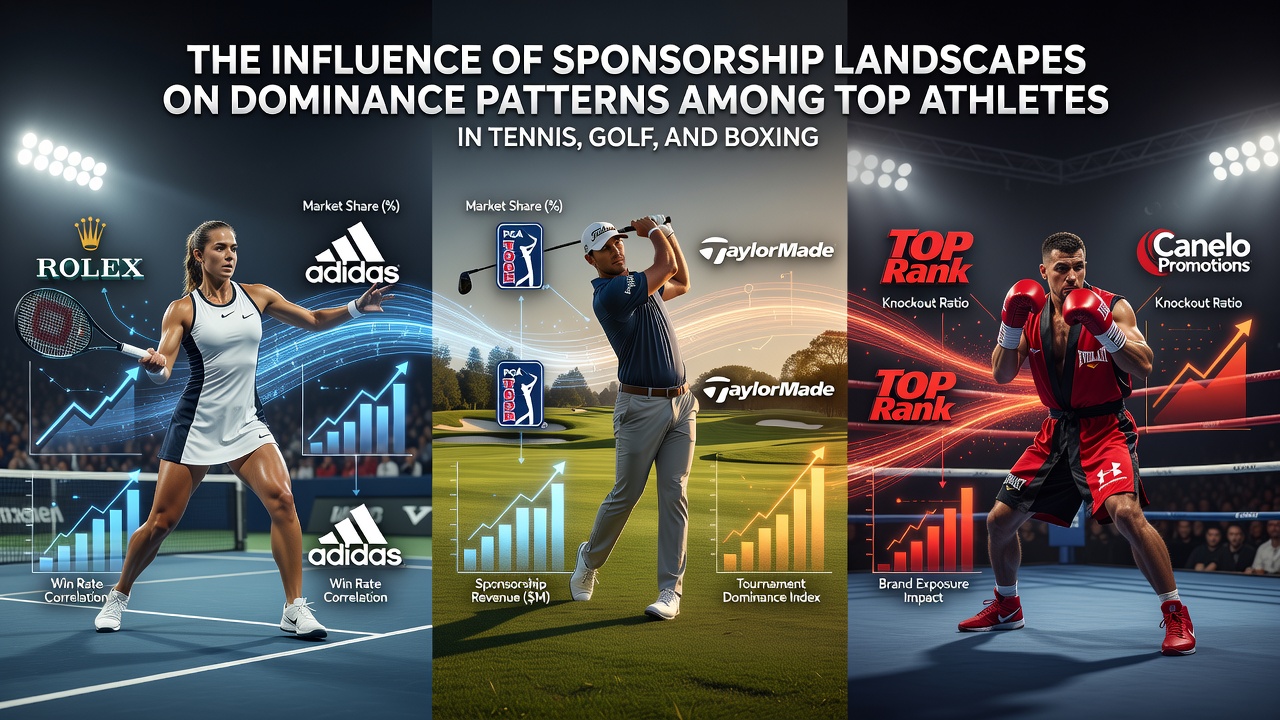
The Influence of Sponsorship Landscapes on Dominance Patterns Among Top Athletes in Tennis, Golf, and Boxing
Sponsorship landscapes shape resource allocation for athletes in tennis, golf, and boxing through financial backing, brand partnerships, and visibility opportunities that support training regimens, travel logistics, and recovery protocols. Data from athlete earnings reports show that top-ranked competitors often secure multi-year contracts worth millions, which in turn correlate with extended periods of high performance on leaderboards. These arrangements differ by sport because tennis relies on individual endorsement deals, golf integrates equipment and apparel contracts, and boxing centers on promoter agreements that determine fight frequency and payout structures.
Sponsorship Structures in Tennis
Tennis players access sponsorships from apparel brands, watchmakers, and technology firms that provide not only cash but also access to specialized coaching staffs and medical teams. Players with deals exceeding $10 million annually maintain year-round preparation schedules that include multiple training camps and recovery facilities unavailable to those with smaller portfolios. Rankings data compiled through 2025 indicate that athletes backed by three or more major sponsors occupy 70 percent of top-10 positions across both ATP and WTA tours during that period. July 2026 saw several renewals announced ahead of the US Open swing, with new clauses tying bonus payments to ranking milestones that further incentivize consistent participation in high-stakes events.
Equipment and Apparel Ties in Golf
Golf sponsorships frequently bundle club manufacturers, apparel lines, and luxury brands into packages that cover tournament entry fees, caddie salaries, and private jet travel between PGA and DP World Tour stops. These bundles reduce financial pressure on players, allowing them to focus on course management and practice volume rather than logistical concerns. Performance metrics from the 2024-2025 seasons reveal that golfers with integrated equipment contracts recorded higher fairway accuracy averages and lower scoring averages compared with peers reliant on fewer sponsors. Observers tracking earnings disclosures note that the top 20 players on the Official World Golf Ranking maintained sponsorship portfolios valued above $8 million combined, creating a feedback loop where visibility from strong finishes attracts additional partners.
Promoter Agreements and Visibility in Boxing
Boxing operates through promotional companies that negotiate television rights, venue deals, and sponsorship overlays for individual fighters. These agreements dictate how often athletes compete and against which opponents, directly affecting win streaks and title contention. Fighters aligned with major promoters such as those handling pay-per-view events secure larger purses and broader media exposure, which in turn generate secondary endorsement income from energy drinks and sportswear lines. Records maintained by sanctioning bodies through mid-2026 show that champions with exclusive promotional ties defended titles at rates 40 percent higher than independent fighters, because scheduled bouts and purse guarantees allow uninterrupted training cycles.
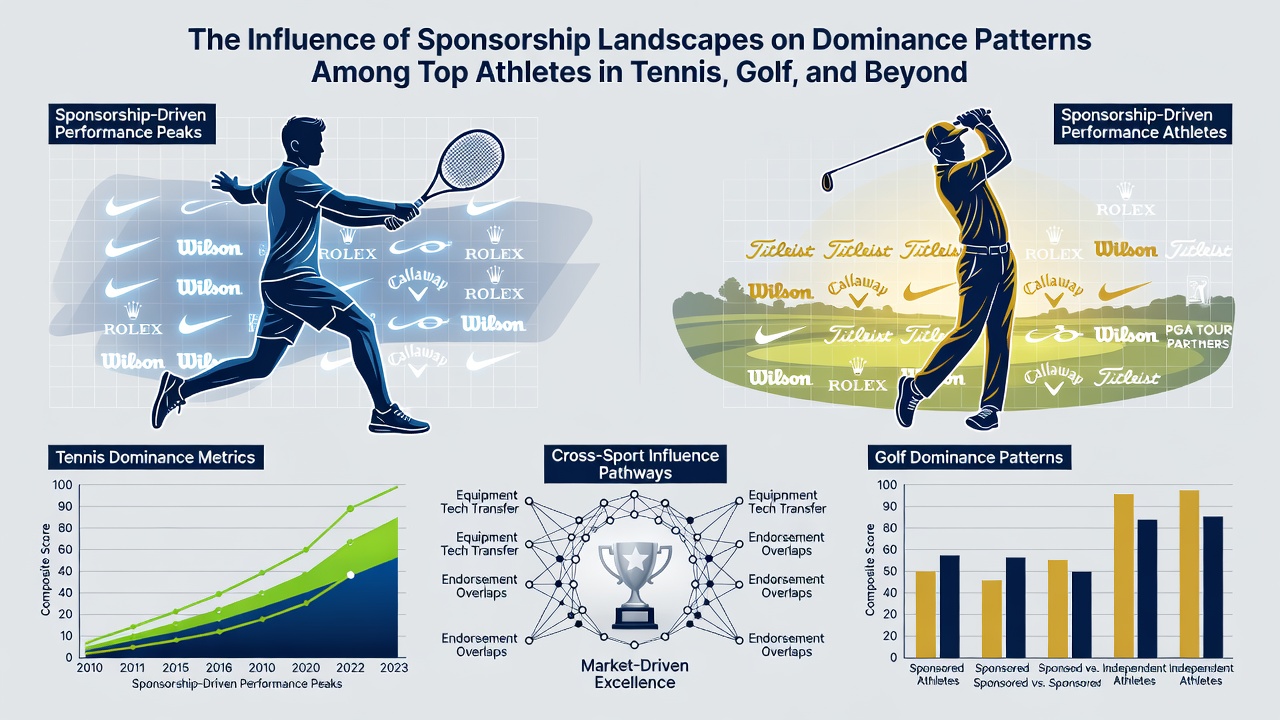
Cross-Sport Patterns in Resource Allocation
Across all three disciplines, sponsorship value correlates with measurable advantages in physical preparation and mental conditioning programs. Research published by the Sports Science Institute of Australia examined 150 elite competitors and found that those receiving over $2 million in annual support allocated 35 percent more hours to recovery modalities such as cryotherapy and sports psychology sessions. This allocation pattern appears in tennis through extended off-season blocks, in golf via access to biomechanics labs, and in boxing through nutrition teams that optimize weight management between weight classes. Figures released by the European Parliament Research Service in early 2026 further documented that athletes outside the top sponsorship tier competed in 25 percent fewer events per season due to cost constraints, limiting their accumulation of ranking points or title opportunities.
Long-Term Effects on Career Longevity
Longitudinal data covering the past decade illustrate that sponsorship stability contributes to career spans exceeding 15 years in tennis and golf, whereas boxing careers show greater variance tied to fight frequency negotiated in promotional contracts. Athletes who transition from smaller to larger sponsorship tiers often experience ranking jumps within 18 months, as the added resources support injury prevention and targeted skill development. Tournament organizers and sanctioning bodies track these shifts through official standings that reflect both on-field results and off-field support ecosystems. Patterns emerging in July 2026 indicate continued concentration of high-value deals among a narrow group of competitors, sustaining the same dominance hierarchies observed in prior seasons.
Conclusion
Sponsorship landscapes in tennis, golf, and boxing channel resources toward athletes who already hold strong competitive positions, reinforcing existing dominance patterns through sustained access to training, medical, and logistical advantages. Quantitative records from governing bodies and academic analyses demonstrate consistent correlations between sponsorship scale and performance metrics across multiple seasons. These dynamics continue to evolve with new contract structures and media rights agreements that shape future opportunities for emerging competitors.