The Ripple Effects of Altitude Training Camps on Positional Hierarchies in Endurance Heavy Leagues
Written by Mia Long · Jun 4, 2026
The Ripple Effects of Altitude Training Camps on Positional Hierarchies in Endurance Heavy Leagues
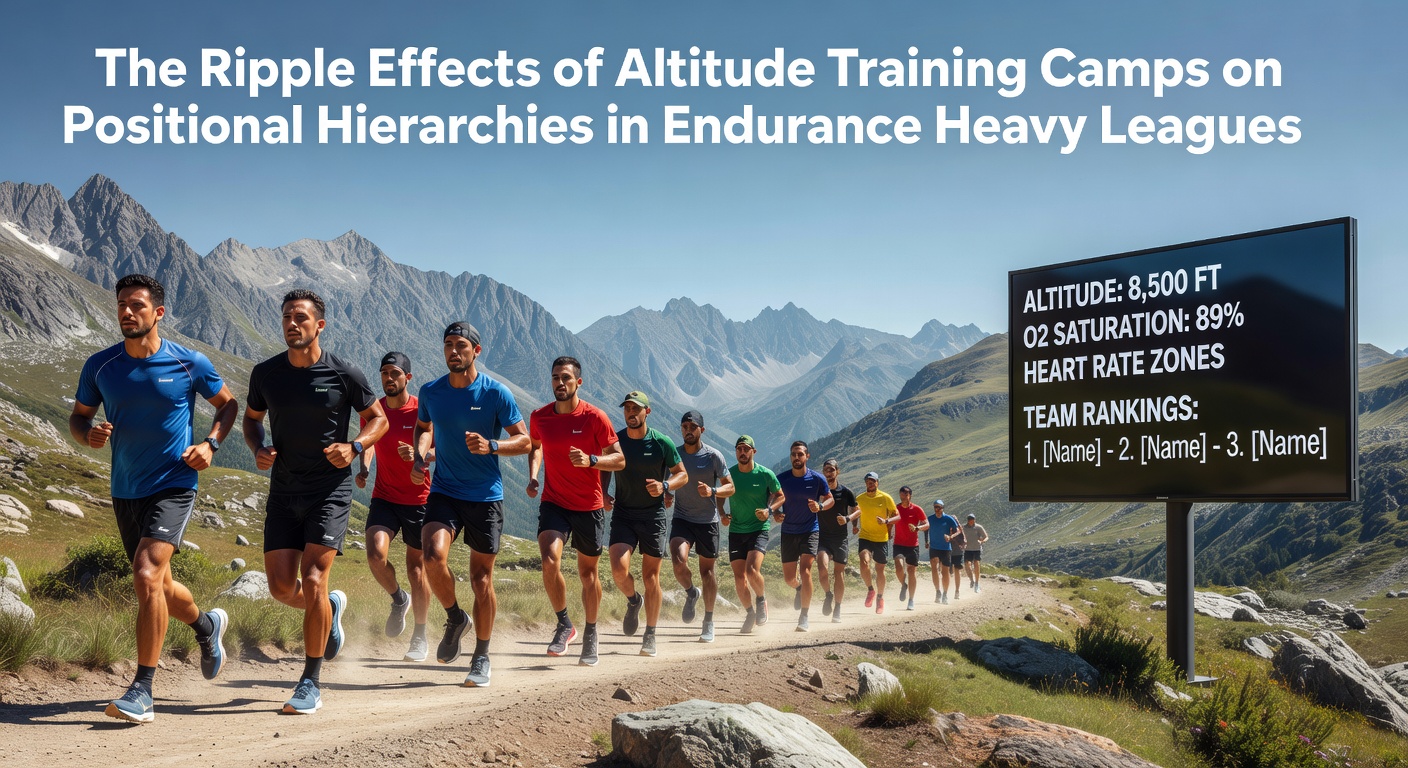
Altitude training camps have become a standard component in preparation cycles for athletes competing in endurance-heavy leagues, where sustained effort and recovery capacity determine outcomes across extended seasons. These programs, typically conducted at elevations between 1,800 and 2,500 meters, trigger physiological adaptations such as increased erythropoietin production and higher red blood cell counts that enhance oxygen delivery during competition. Researchers from multiple sports science institutions have documented how these changes translate into measurable performance gains when athletes return to sea-level events.
Physiological Adaptations and Performance Metrics
Studies conducted by the Australian Institute of Sport show that four-week altitude exposures produce hemoglobin increases of 5 to 10 percent in trained endurance athletes, with effects persisting for several weeks after descent. This adaptation supports higher workloads in sports such as soccer, cycling stage races, and distance running circuits where positional hierarchies rest on cumulative points accumulated through consistent results. Data collected across multiple leagues indicates that squads incorporating structured altitude blocks often record improved late-match metrics, including distance covered at high intensity and reduced decrement in repeated sprint ability.
Observers note that these gains appear most pronounced in midfield and forward positions that require repeated high-output efforts rather than purely technical roles. League tables in endurance-dominant competitions therefore reflect gradual shifts as teams integrate these camps into annual planning, with standings evolving based on the timing and frequency of such interventions rather than isolated match results.
Implementation Patterns Across Leagues
Professional organizations in cycling and soccer have established regular altitude rotations since the early 2010s, with many squads scheduling blocks during preseason or mid-season breaks. In June 2026, several European and South American clubs announced expanded partnerships with high-elevation facilities in the Andes and Alps to accommodate larger groups simultaneously. These arrangements allow positional units, such as entire defensive lines or attacking trios, to train together under controlled hypoxic conditions.
Coaches track internal load data alongside external performance indicators to determine optimal return-to-competition windows, typically spanning 10 to 21 days post-descent. Teams that align camp timing with congested fixture periods frequently climb several places in seasonal rankings, while those with mismatched schedules experience plateaus or temporary dips relative to rivals.
Shifts in Team and Player Hierarchies
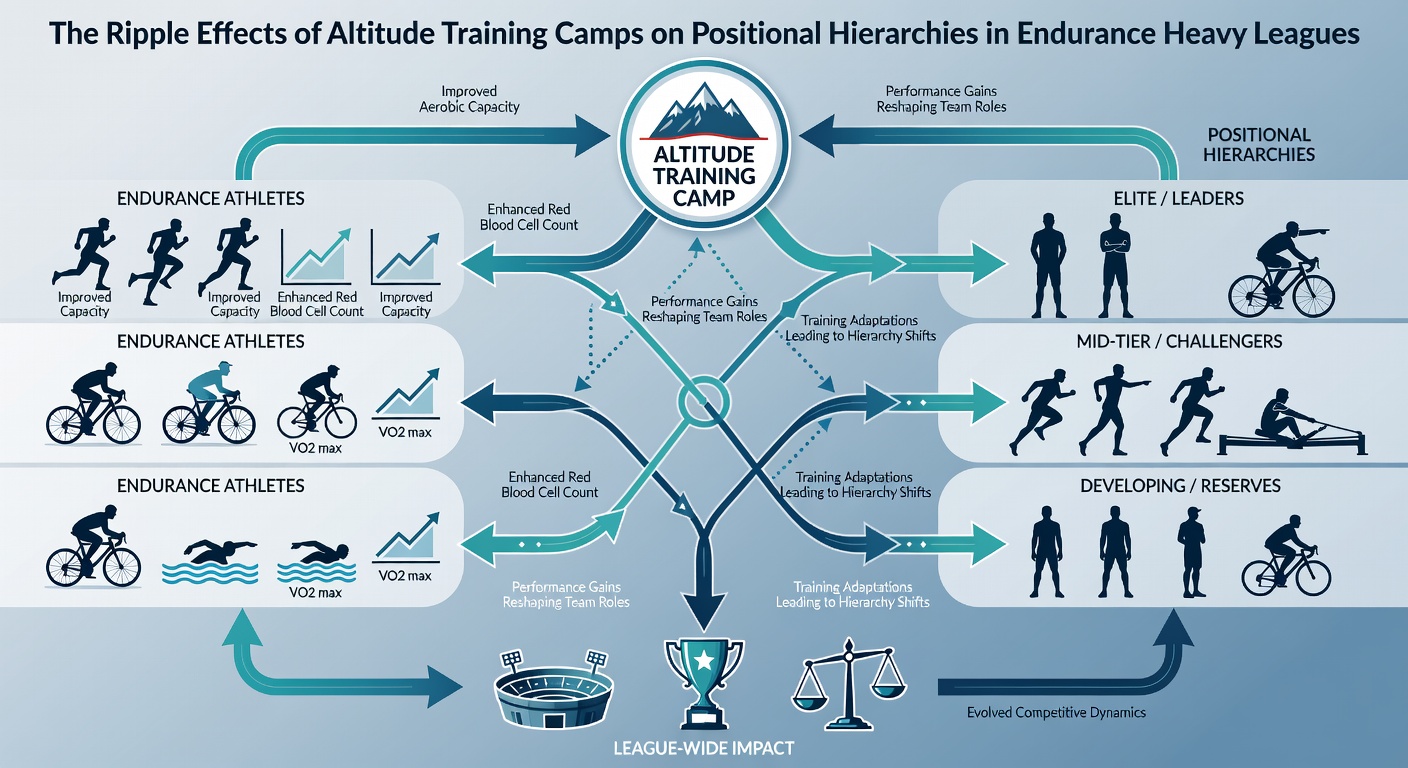
Longitudinal analyses of league data reveal that clubs investing consistently in altitude protocols accumulate advantages that compound across multiple seasons. Mid-table sides have overtaken established leaders in standings after adopting systematic programs, while previously dominant teams that reduced altitude exposure have seen gradual erosion of their positional advantages. Individual player rankings within fantasy and scouting databases also reflect these patterns, with endurance metrics weighted more heavily in valuation models used by recruitment departments.
What's interesting is how positional hierarchies within squads themselves evolve. Players returning from altitude blocks often secure increased minutes in high-stakes fixtures because coaches observe sustained output in the final 30 minutes of matches. This redistribution of playing time alters internal team dynamics and contributes to broader league reordering as underutilized squad members gain prominence through improved recovery profiles.
Supporting Research and External Factors
Reports compiled by the Canadian Sport Institute Pacific highlight interactions between altitude training and other variables such as heat acclimatization and nutritional interventions that further modulate outcomes. These combined approaches have produced documented improvements in time-trial performances and match endurance scores across multiple disciplines. League administrators monitor such developments because cumulative effects influence competitive balance and broadcast interest in prolonged title races.
One study released through the European College of Sport Science examined 12 professional squads over three seasons and found statistically significant correlations between total altitude days logged and final league position, particularly in competitions featuring more than 34 fixtures. The findings underscore that timing, rather than volume alone, drives measurable hierarchy changes when multiple teams pursue similar strategies concurrently.
Conclusion
Altitude training camps continue to influence positional hierarchies in endurance-heavy leagues through documented physiological mechanisms and structured implementation. As data collection improves and more organizations adopt these methods, the resulting performance differentials shape both seasonal standings and individual career trajectories. Continued monitoring of adaptation windows and integration with broader preparation plans will determine how these effects evolve in coming cycles.