Tracing Talent Migration Routes That Quietly Reshape Annual Dominance Charts in Global Leagues
Written by Klara Jung · May 26, 2026
Tracing Talent Migration Routes That Quietly Reshape Annual Dominance Charts in Global Leagues
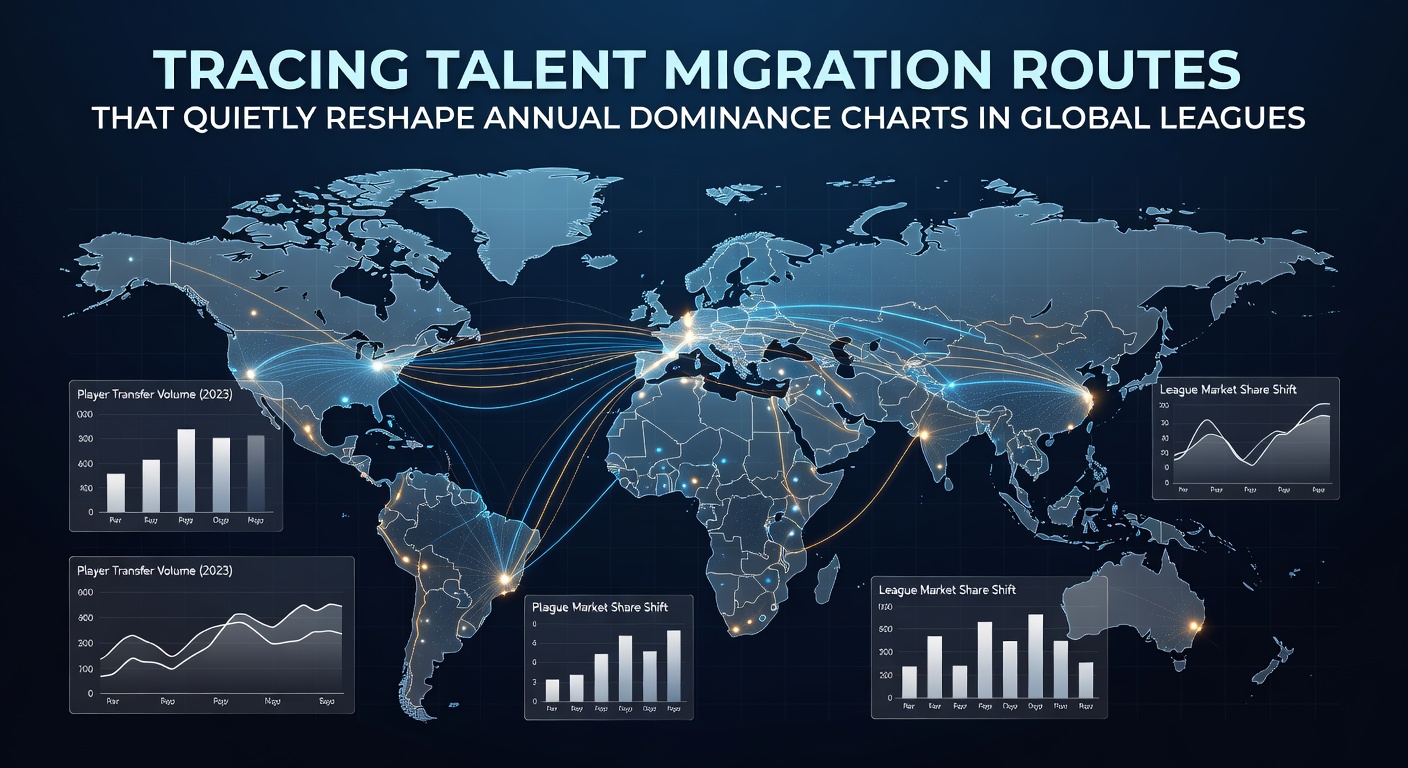
Player movements between continents continue to alter competitive balances in major leagues each season, and data from transfer records shows consistent patterns that build over multiple years rather than single campaigns. Routes originating in South America feed European clubs with attackers and midfielders while pathways from West Africa supply defenders and forwards to the same destinations, and observers tracking these flows note gradual shifts in team hierarchies that appear in final standings months later.
European soccer provides the clearest examples where clubs in the Premier League and Bundesliga integrate talents from Brazil and Argentina during winter and summer windows, yet similar dynamics appear in the NBA with prospects moving from Europe and Africa, plus MLB teams signing players from the Dominican Republic and Japan. These migrations accumulate quietly because individual signings rarely dominate headlines until aggregated results emerge in annual rankings.
Established Pathways from South America to Europe
Soccer academies in Brazil and Argentina produce players who relocate to Portugal and the Netherlands first before advancing to wealthier leagues, and records kept by national federations indicate this staged progression has operated for decades. Midfielders and wingers often begin in Liga Portugal before joining clubs in Spain or England, where their contributions to goal tallies and assists directly influence points totals that decide title races and European qualification spots. In May 2026 analysts reviewing the 2025-26 Premier League table will likely trace several top-six finishes back to these specific recruitment streams rather than domestic youth systems alone.
African Routes Supplying Multiple Continents
West African nations including Nigeria, Ghana, and Senegal send athletes toward European soccer and North American basketball programs, while East African runners sometimes transition into other endurance sports. National team appearances serve as showcases that accelerate moves to academies in Belgium or France, and statistical reviews of Bundesliga squads reveal higher proportions of players holding passports from these regions compared with earlier eras. The same talent pools reach the NBA through college routes in the United States, where performance metrics compiled by conference offices show improved team records correlating with arrivals from these areas.
Asian and Caribbean Inflows into North American Leagues
Japanese and South Korean baseball players enter MLB organizations through posting systems that have operated since the late 1990s, and their integration into lineups frequently coincides with improved divisional standings for recipient teams. Dominican prospects follow established scouting networks that funnel talent to winter leagues before spring training invitations, while Canadian hockey programs export players to European leagues that later return with refined skills. These circuits create feedback loops where early success in one market encourages further investment from clubs in the destination league.
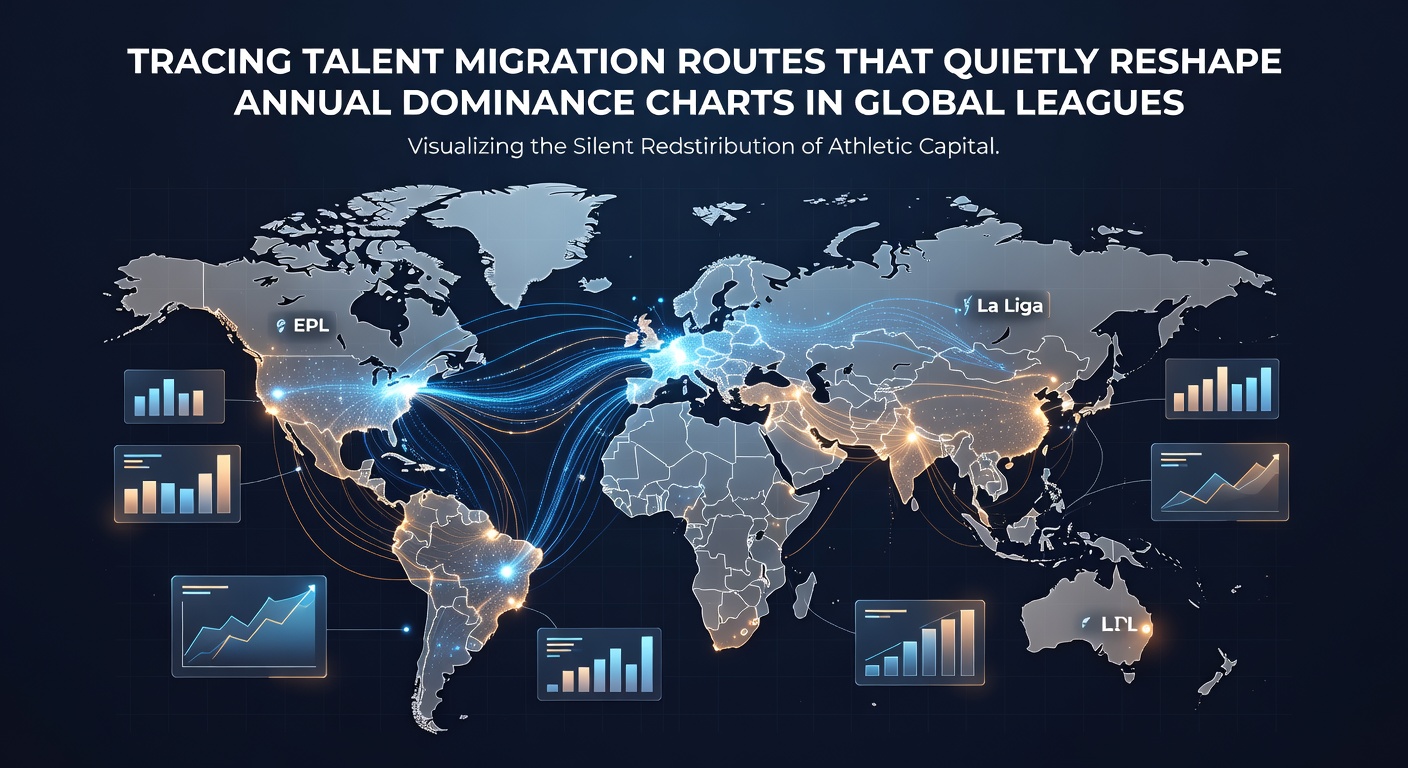
Research compiled by the UEFA intelligence unit tracks how these arrivals affect squad depth and rotation options during congested fixture periods, and parallel datasets from MLB Advanced Media demonstrate comparable effects on pitching staffs and batting orders. The patterns remain consistent across sports because teams that secure earlier access to emerging markets gain incremental edges that compound across a full schedule.
Measurement of Impact on Annual Standings
Points differentials between mid-table and upper-table clubs often trace directly to contributions from recently migrated players rather than changes in coaching staff or stadium capacity. League tables published at season's end therefore reflect cumulative effects of routes established two or three years earlier, when initial contracts were signed. In basketball similar calculations appear in win totals and playoff seeding, where teams adding international rotation players record measurable improvements in defensive efficiency ratings tracked by official statistics departments.
Case studies compiled by university researchers at institutions in Australia and Canada illustrate how smaller-market clubs in various leagues have climbed multiple positions after sustained recruitment from specific regions, while larger clubs that neglect these channels sometimes slip despite higher payrolls. The data underscores that migration timing matters because players who arrive during formative career stages deliver longer windows of contribution before contracts expire or injuries intervene.
Emerging Corridors and Future Adjustments
Newer flows involving players from Eastern Europe and Central America have begun appearing in scouting reports, and federations in destination countries are adjusting academy regulations accordingly. These developments suggest continued evolution in how dominance charts are constructed, particularly as economic conditions in source nations and regulatory frameworks in host leagues interact. Observers monitoring May 2026 transfer activity will watch whether established South American and African corridors maintain volume or whether diversification accelerates.
Conclusion
Talent migration routes function as structural elements within global sports ecosystems, quietly reallocating competitive resources across borders each year. Documentation from governing bodies and statistical agencies confirms that annual dominance charts register the outcomes of these movements through accumulated performance data rather than isolated events, and the patterns are expected to persist as scouting networks expand and player mobility remains high.